






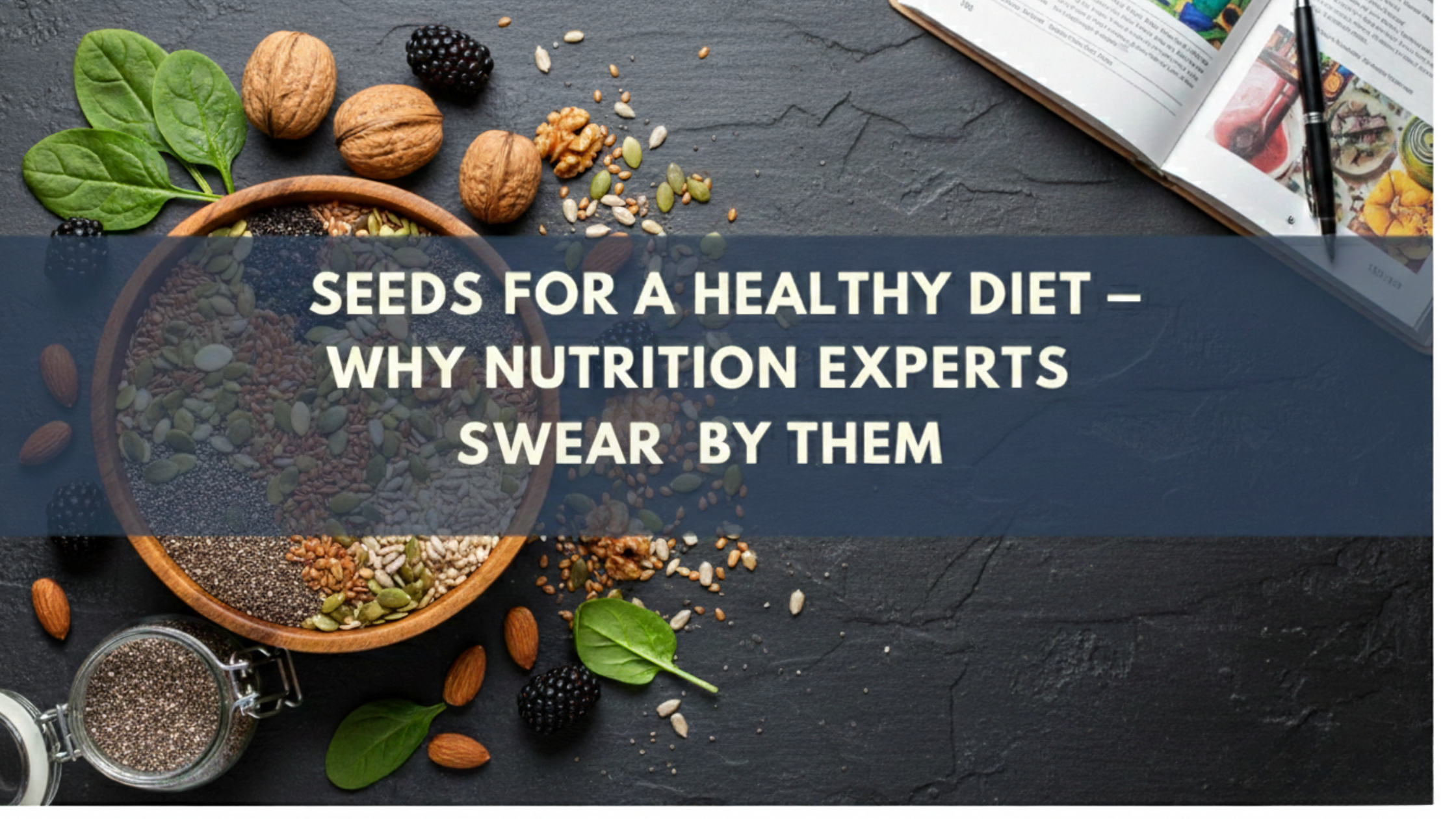
Modern nutrition is no longer about extreme food rules or cutting out entire food groups. Instead, it is moving toward balance, consistency, and smarter everyday choices. One such choice that has quietly earned the trust of nutrition professionals is the inclusion of seeds in daily meals. At Q Slim Fitness Studio, we often see that people searching for dramatic diet changes overlook the power of small, nutrient-dense foods. Seeds may be tiny, but their impact on long-term health is anything but small.
When we talk about seeds for healthy diet, we are not referring to a passing wellness trend. Seeds have been part of traditional eating patterns across cultures for centuries. What makes them relevant today is how easily they fit into modern lifestyles while supporting overall nourishment, digestion, and meal quality without complicating food choices.
Why Seeds Are an Important Part of a Healthy Diet
Seeds naturally contain nutrients that support growth and vitality, which is why they play such a valuable role in everyday nutrition. Including seeds for healthy diet helps improve the overall quality of meals without increasing portion sizes or adding unnecessary heaviness.
Commonly consumed seeds such as chia seeds, flax seeds, pumpkin seeds, sunflower seeds, sesame seeds, and watermelon seeds each bring something different to the table. Some add texture, some enhance satiety, and others support internal balance when eaten regularly. Nutrition experts appreciate seeds because they work quietly in the background, supporting the body without demanding drastic dietary changes.
Another reason seeds are trusted is their versatility. They blend seamlessly into Indian meals, continental dishes, and even simple home cooking. This adaptability makes seeds easy to sustain in the long run, which is a key factor in building healthy habits.
Seeds to Eat for Good Health and Everyday Wellness
When people ask about seeds to eat for good health, the answer is rarely limited to just one type. Good health comes from variety and consistency rather than focusing on a single “best” food. Seeds like chia seeds and flax seeds are often included in morning routines, while pumpkin seeds and sunflower seeds are commonly consumed as part of snacks or mixed into meals.
Sesame seeds have long been used in traditional diets, especially in Indian cooking, while watermelon seeds are gaining attention for how easily they can be roasted and eaten. These seeds to eat for good health support everyday wellness by improving how balanced and satisfying meals feel.
Nutrition experts often highlight that adding seeds encourages mindful eating. Meals feel more complete, digestion feels steadier, and people are less likely to feel hungry shortly after eating. This consistency plays a major role in maintaining good health over time.
Best Seeds for a Healthy Body – Understanding Balance Over Perfection
Online searches for the best seeds for healthy body often lead to ranked lists and rigid recommendations. In reality, the healthiest approach is understanding what works best for your own body. Some people feel comfortable consuming soaked chia seeds daily, while others prefer lightly roasted pumpkin or sunflower seeds.
Flax seeds are often added to meals for their fibre content, while sesame seeds are valued for how naturally they blend into cooked dishes. The best seeds for healthy body are not defined by trends, but by how well they suit your digestion, lifestyle, and eating habits.
This is why nutrition experts avoid promoting extreme quantities or overly complicated seed mixes. A simple, consistent approach almost always delivers better results than chasing perfection.
What Type of Seeds Can You Eat Regularly?
A common concern is what type of seeds can you eat daily without discomfort. Most edible seeds are suitable for regular consumption when eaten in moderate quantities and prepared appropriately. Chia seeds and flax seeds are often soaked before use, while pumpkin and sunflower seeds can be eaten roasted or raw, depending on preference.
Sesame seeds are widely consumed in everyday cooking, and watermelon seeds can be roasted and enjoyed as a snack. Understanding what type of seeds can you eat regularly depends on how your body responds, rather than following a universal rule.
Nutrition experts consistently emphasise that seeds should support meals, not overwhelm them. When portions remain sensible, seeds complement the diet beautifully.
How to Use Seeds in Your Diet Without Making It Complicated
One of the biggest reasons seeds are so widely recommended is how easy it is to learn how to use seeds in your diet. Seeds do not require specialised recipes or dramatic meal changes. They simply enhance what is already being eaten.
Chia seeds or flax seeds can be added to breakfast dishes, sesame seeds can be used in everyday cooking, and pumpkin or sunflower seeds can be mixed into snacks or meals. Learning how to use seeds in your diet often begins with adding just one type of seed to one consistent meal.
At Q Slim Fitness Studio, this gradual, realistic approach is encouraged because long-term health is built through habits that feel manageable. Seeds fit naturally into this philosophy, making them an ideal addition to everyday nutrition.
Seeds and Long-Term Dietary Consistency
The true strength of seeds for healthy diet lies in their ability to support consistency. They do not replace meals or promise instant results. Instead, they quietly improve meal quality, making it easier to stay balanced over time.
Including seeds to eat for good health helps meals feel more nourishing and satisfying, which can reduce unnecessary snacking and irregular eating patterns. Over time, this consistency supports a healthier relationship with food.
Rather than focusing on restriction, seeds encourage addition. This mindset shift is one of the key reasons nutrition experts continue to trust them across different dietary approaches.
Why Nutrition Experts Continue to Recommend Seeds
Unlike short-lived diet trends, seeds have remained relevant because they adapt easily to different lifestyles and food cultures. Whether added to traditional meals or modern diets, they work without conflict.
The continued trust in the best seeds for healthy body comes from their reliability, simplicity, and long-term benefits. When health is viewed as a gradual journey rather than a quick fix, seeds naturally earn their place in everyday eating. Ultimately, seeds are not about chasing results. They are designed to support the body gently, consistently, and sustainably, which is exactly why nutrition experts swear by them.
