






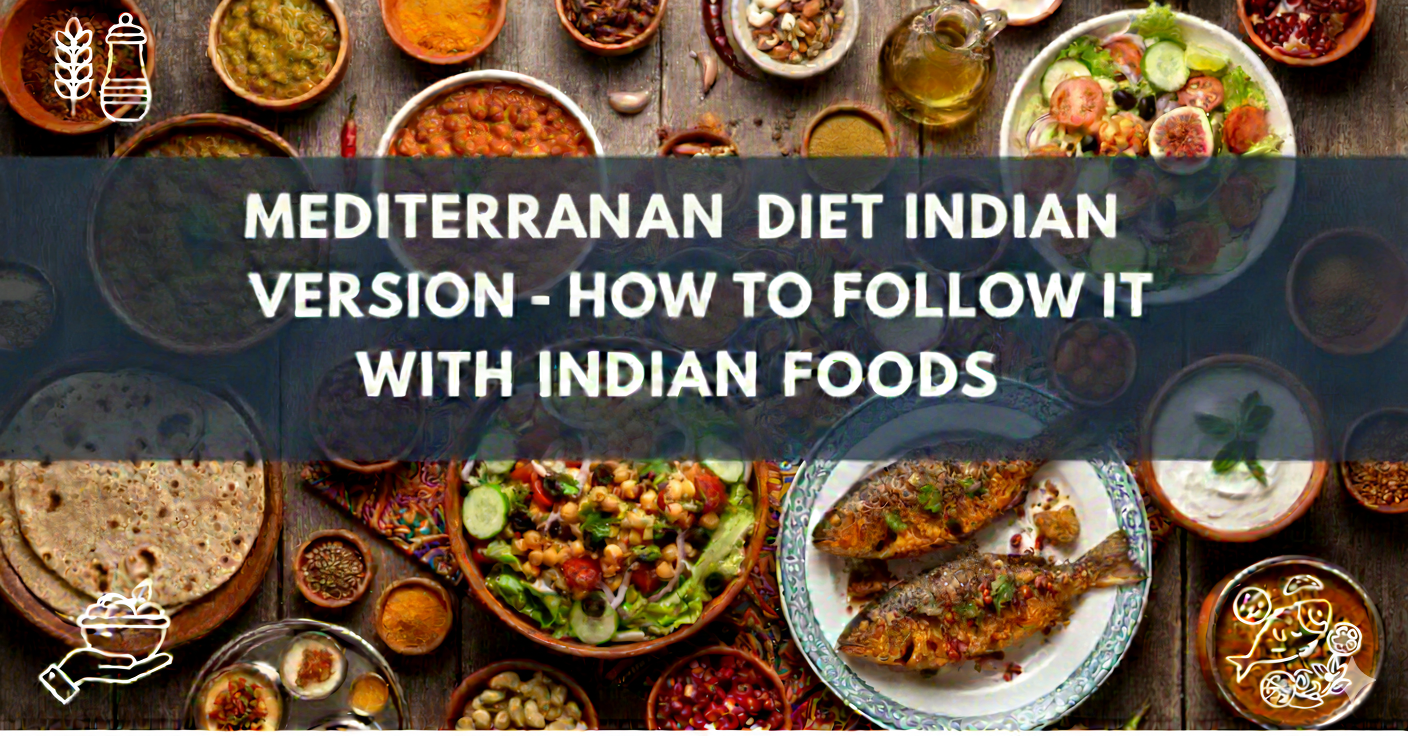
The Mediterranean diet has long been celebrated for its connection to longevity, heart health, and overall well-being. Traditionally inspired by the eating habits of countries bordering the Mediterranean Sea, this way of eating focuses on fresh, seasonal ingredients, balance, and mindful nourishment. At Q Slim Fitness Studio, we often meet people who love the philosophy behind this diet but wonder if it can realistically fit into an Indian lifestyle. The good news is that it absolutely can. With a few smart swaps and an understanding of food principles rather than rigid rules, the Mediterranean diet indian version becomes both practical and sustainable.
This blog explores how to adapt Mediterranean eating habits using familiar Indian foods, while also understanding the mediterranean food health benefits that make this diet so widely recommended.
Understanding the Mediterranean Diet Beyond Geography
The Mediterranean diet is less about specific foreign ingredients and more about a pattern of eating. It emphasises whole foods, healthy fats, plant-based meals, moderate protein, and minimal processing. When you strip away the regional labels, you’ll notice that many traditional Indian food practices already align beautifully with these principles.
The mediterranean diet plan for indian lifestyles focuses on balance rather than restriction. Instead of counting calories or eliminating food groups, it encourages mindful portions, natural ingredients, and regular meal timings. This makes it especially appealing for Indians who want long-term health improvements without drastic changes.
Core Principles of the Mediterranean Diet
In the mediterranean diet indian version, the spotlight is on vegetables, fruits, legumes, whole grains, nuts, seeds, and healthy oils. Indian kitchens already use lentils, seasonal vegetables, fermented foods, and plant-based cooking extensively. The shift lies in refining cooking methods and choosing better-quality fats.
Rather than heavy gravies or deep-fried foods, meals are prepared using lighter techniques such as sautéing, slow cooking, or tempering in limited oil. Dairy is consumed mindfully, proteins are balanced, and meals feel satisfying without being heavy.
Mediterranean Diet Meal Plan Indian Style – What a Day Can Look Like
A mediterranean diet meal plan indian approach, does not demand imported olives or exotic cheeses at every meal. Breakfast can include vegetable-based dishes paired with whole grains and natural fats. Lunches often revolve around dal, vegetables, and grains cooked simply and eaten fresh. Dinner tends to be lighter, focusing on vegetables, soups, or grilled proteins.
Snacking is intentional rather than impulsive, and meals are eaten slowly, respecting hunger and fullness cues. This rhythm of eating supports digestion and metabolic health, which is one of the key mediterranean food health benefits.
Healthy Fats – The Heart of the Mediterranean Approach
One of the defining features of the Mediterranean diet is its use of healthy fats. While olive oil is a hallmark of the traditional version, Indian households can adapt easily. Cold-pressed oils used in moderation, along with nuts and seeds, serve the same purpose.
The idea is not to eliminate fat, but to choose fats that support heart health and reduce inflammation. This is a major reason why the mediterranean diet plan for indian populations is increasingly recommended for those dealing with cholesterol issues, hormonal imbalances, or lifestyle-related conditions.
Plant-Based Focus with Flexible Protein Choices
The Mediterranean diet naturally leans toward plant-based eating, which aligns well with Indian food culture. Lentils, beans, chickpeas, and vegetables form the foundation of most meals. Protein is balanced rather than excessive, and it comes from both plant and animal sources, depending on preference.
For those who consume animal protein, fish and eggs are encouraged more often than red meat. For vegetarians, a well-planned mediterranean diet meal plan indian style, ensures adequate protein through dals, legumes, curd, paneer in moderation, and seeds.
Mediterranean Food Health Benefits for Indian Lifestyles
One of the biggest reasons this diet has gained global popularity is its wide-ranging health impact. The mediterranean food health benefits include improved heart health, better blood sugar control, reduced inflammation, and improved gut health. For Indians dealing with sedentary work patterns, stress, and irregular eating habits, this style of eating offers balance and structure without rigidity.
Another often-overlooked benefit is sustainability. Unlike extreme diets, the mediterranean diet indian version can be followed long term because it does not eliminate cultural foods. Instead, it encourages conscious choices and smarter cooking methods.
How Q Slim Approaches Mediterranean-Inspired Nutrition
At Q Slim Fitness Studio, nutrition is never treated as a one-size-fits-all formula. Mediterranean principles are often integrated into personalised meal planning by adapting them to Indian tastes, routines, and health goals. Rather than asking clients to overhaul their kitchens overnight, the focus is on gradual shifts such as improving fat quality, increasing vegetable intake, and reducing dependency on ultra-processed foods.
This approach ensures that the mediterranean diet plan for indian clients feels natural and realistic. By respecting cultural preferences and daily schedules, Q Slim helps individuals build eating habits that support fat loss, metabolic health, and long-term wellness.
Mindful Eating and Lifestyle – The Missing Link
Another defining element of the Mediterranean lifestyle is how food is consumed, not just what is eaten. Meals are unhurried, distractions are minimal, and food is enjoyed socially whenever possible. This mindful relationship with food plays a significant role in digestion and satiety.
When adapted correctly, the mediterranean diet indian version encourages people to slow down, listen to hunger cues, and develop a healthier connection with food. Over time, this leads to better portion control and reduced emotional eating.
Is the Mediterranean Diet Sustainable for Indians?
Sustainability is where this diet truly shines. The mediterranean diet meal plan indian format, does not rely on expensive or inaccessible ingredients. Most foods are locally available, seasonal, and affordable. With minor adjustments in oil usage, cooking styles, and meal composition, it becomes easy to follow consistently.
This adaptability is what makes the mediterranean food health benefits achievable for a wide range of people, from working professionals to older adults looking to improve heart and metabolic health.
Why the Mediterranean Diet Works So Well for Indian Lifestyles
What makes the Mediterranean way of eating truly effective is its flexibility. It does not demand perfection or rigid food rules, which is why the mediterranean diet indian version blends so effortlessly into Indian households. By focusing on whole foods, better-quality fats, plant-forward meals, and mindful eating habits, this approach supports health without disrupting cultural food practices.
For Indians balancing busy schedules, social meals, and family traditions, the mediterranean diet plan for indian routines offers a realistic framework rather than a temporary fix. Over time, these small yet consistent changes help improve digestion, energy levels, and overall metabolic health. When followed thoughtfully, the mediterranean diet meal plan indian style, becomes a lifestyle rather than a short-term diet, allowing individuals to experience the long-term mediterranean food health benefits in a way that feels natural and sustainable.
