






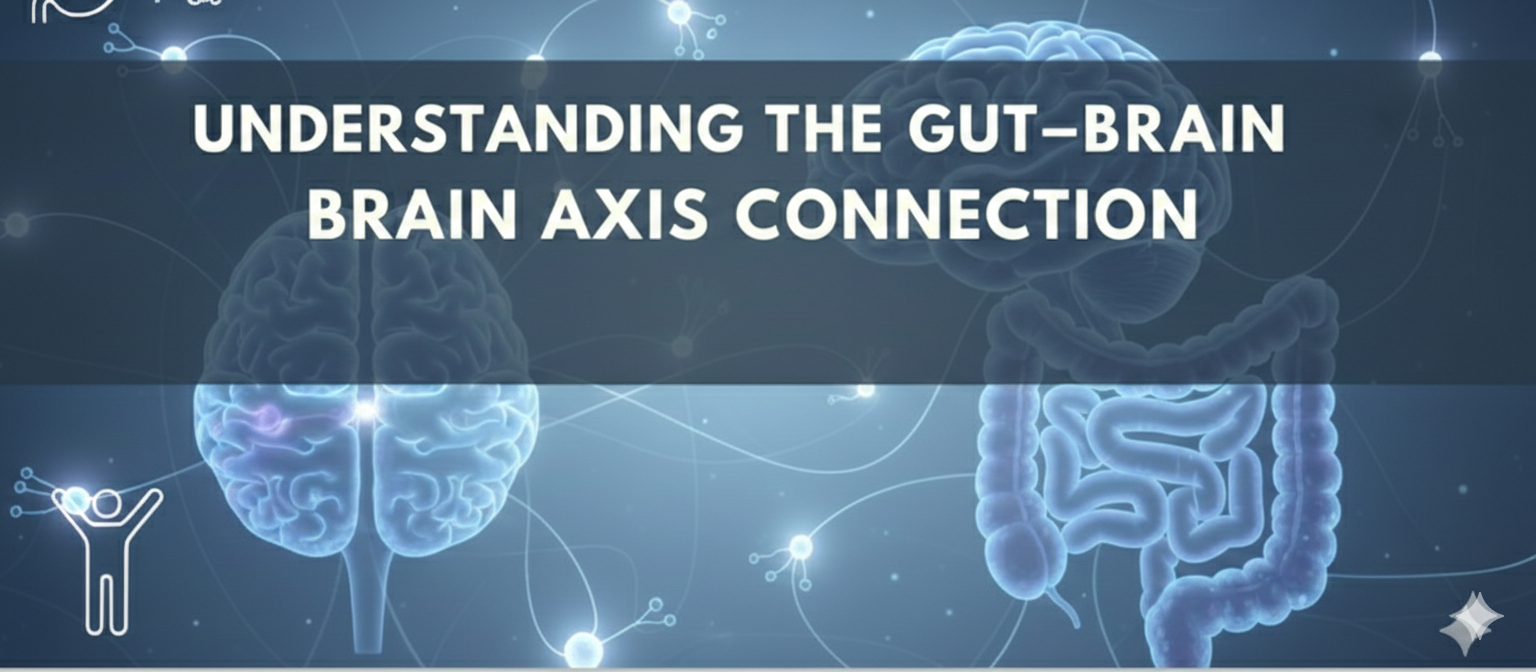
In recent years, gut health has become a major focus in conversations around overall wellness, mental clarity, and long-term health. But what many people are only now discovering is that the gut and brain are not separate systems working in isolation. They are deeply connected and constantly communicating. At Q Slim Fitness Studio, we often explain to clients that digestion issues, low energy, stress, mood changes, and even stubborn weight patterns can be linked back to this powerful internal communication system. This is where understanding what is gut brain connection is essential.
This blog breaks down the gut brain axis connection, explains the connection between gut and brain, and explores how the brain and gut relationship influences both physical and mental health in everyday life.
What Is the Gut–Brain Connection?
To put it simply, the gut–brain connection refers to the two-way communication between your digestive system and your brain. The gut is not just responsible for breaking down food; it also plays a major role in regulating mood, stress response, immunity, and even decision-making.
When people ask what is gut brain connection, they are essentially asking how emotions, stress, digestion, and overall health are linked. The gut and brain communicate through nerves, hormones, and chemical messengers, forming a continuous feedback loop. This means what happens in the gut affects the brain, and what happens in the brain affects the gut.
Understanding the Gut–Brain Axis Connection
The scientific term used to describe this communication network is the gut brain axis connection. This axis includes the brain, the central nervous system, the gut, and the vast community of microorganisms living in the digestive tract.
The gut contains millions of nerve endings and produces a large portion of the body’s neurotransmitters, including those linked to mood and emotional regulation. Because of this, the gut is sometimes referred to as the “second brain.” This is not just a metaphor; it reflects how deeply involved digestion is in overall mental and emotional functioning.
A healthy gut–brain axis allows the body to manage stress better, digest food efficiently, and maintain emotional balance. When this axis is disrupted, both digestive discomfort and mental fatigue can appear.
Brain and Gut Relationship – More Than Just Digestion
The brain and gut relationship goes far beyond food processing. The gut plays a role in immune function, inflammation control, and hormone regulation. When the gut environment is healthy, it supports stable energy levels, better sleep, and improved concentration.
On the other hand, chronic digestive issues may contribute to fatigue, poor focus, and emotional instability. This does not mean the gut is the sole cause of mental health challenges, but it is a significant piece of the puzzle that is often overlooked.
How Stress Impacts the Gut–Brain Axis
Stress is one of the biggest disruptors of the gut brain axis connection. Prolonged stress can slow digestion, reduce nutrient absorption, and alter gut bacteria balance. This creates a state where the gut becomes more sensitive, and symptoms like bloating or discomfort become more frequent.
From a brain perspective, this ongoing gut distress can amplify stress signals, making it harder to relax or feel mentally settled. This is why managing stress is just as important for gut health as food choices.
At Q Slim, addressing lifestyle factors like sleep, stress, and routine is considered just as important as diet when supporting gut health and the connection between gut and brain.
The Role of Food in the Gut–Brain Relationship
Food directly influences gut health and, in turn, brain function. Irregular eating patterns, highly processed foods, and poor hydration can strain digestion and disrupt the gut environment. Over time, this can weaken the gut–brain communication loop.
On the other hand, balanced meals, consistent eating schedules, and mindful eating practices help stabilise digestion and support clearer communication between the gut and brain. This is why nutrition strategies at Q Slim focus on sustainability rather than restriction, supporting both physical digestion and mental well-being.
Gut Health, Mood, and Energy Levels
One of the most noticeable outcomes of a well-functioning brain and gut relationship is stable energy. People with balanced digestion often report better focus, fewer energy crashes, and improved emotional regulation throughout the day.
When digestion is compromised, the body struggles to extract and utilise nutrients efficiently. This can lead to fatigue, low motivation, and difficulty concentrating. Supporting the gut brain axis connection helps the body function more smoothly as a whole system rather than a collection of disconnected parts.
A Holistic Approach to the Gut–Brain Axis
The gut brain axis connection cannot be improved through a single solution. It requires a holistic approach that includes balanced nutrition, stress management, regular movement, and adequate rest. Quick fixes or extreme diets often disrupt this balance further rather than supporting it.
At Q Slim Fitness Studio, gut health is approached as part of a larger lifestyle picture. By aligning food, movement, and daily routines, the connection between gut and brain can be strengthened naturally and sustainably.
Why the Gut–Brain Axis Deserves More Attention
The gut and brain are in constant conversation, shaping how we feel, think, and function every day. Understanding the brain and gut relationship helps shift the focus from symptom-based fixes to long-term health support. When digestion and mental well-being are addressed together, the body responds with better balance, clarity, and resilience.By recognising and supporting the gut brain axis connection, individuals can take a more informed and empowered approach to their health, one that works with the body, not against it.
