






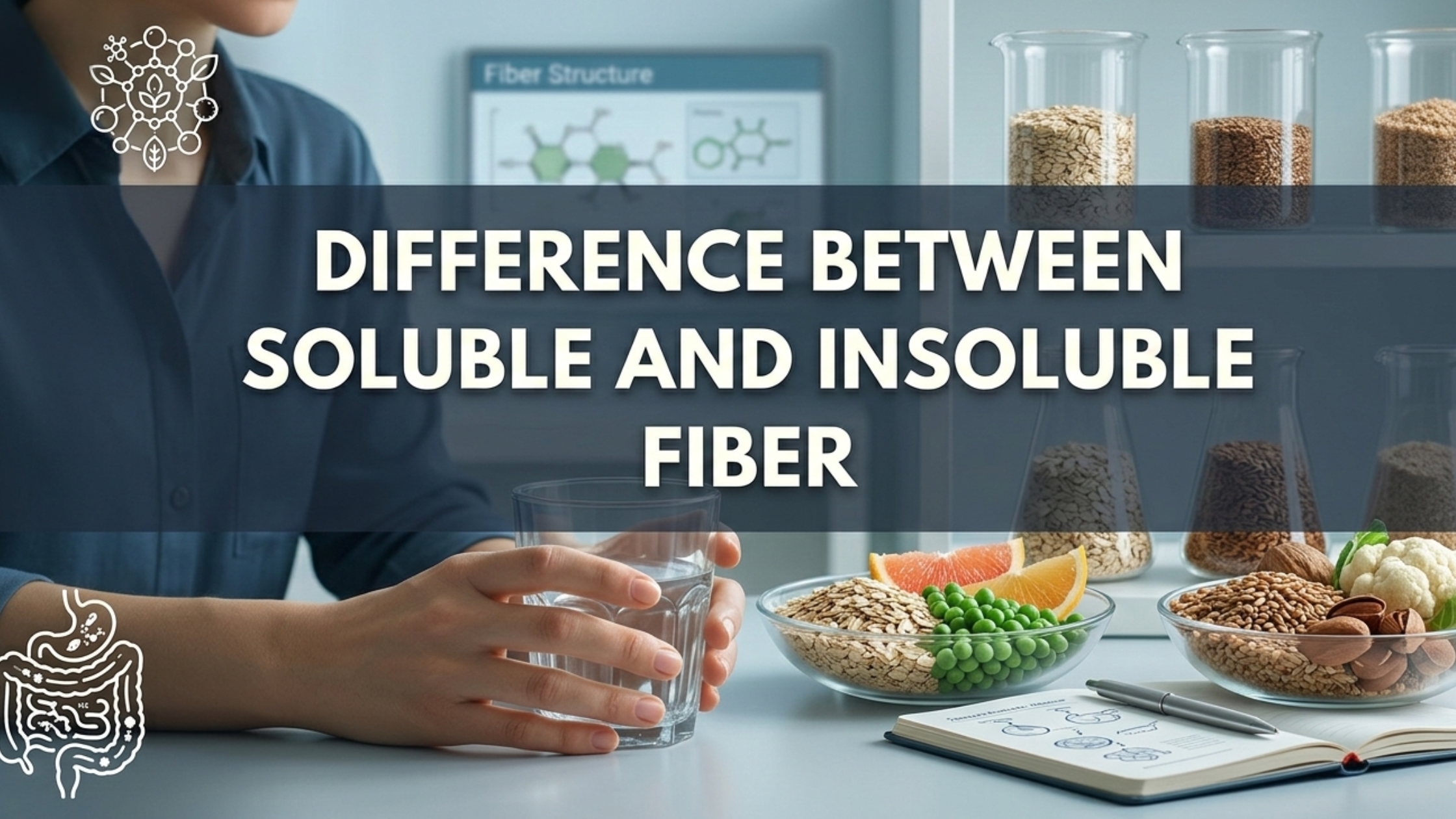
When it comes to improving digestion, managing weight, and supporting heart health, fibre plays a powerful role. Yet many people are still confused about the difference between soluble and insoluble fibre and why both are equally important. At Q Slim Fitness Studio, we often meet clients who say they are “eating fibre,” but they don’t really understand the soluble and insoluble fibre difference or how it affects their bodies.
Understanding the difference between soluble and insoluble fibre can help you make smarter food choices, especially if you are working on weight loss, blood sugar control, or cholesterol management. Let’s break it down in a simple, practical way so you know exactly what is soluble fibre, what is insoluble fibre, and how to include the right soluble and insoluble fibre foods in your daily diet.
What Is Soluble fibre?
To understand the soluble and insoluble fibre difference, we first need to answer an important question: what is soluble fibre?
Soluble fibre is a type of dietary fibre that dissolves in water to form a gel-like substance in your digestive tract. This gel slows down digestion, which has several health benefits. If you’ve ever noticed oats becoming thick and sticky when cooked, you’ve seen soluble fibre in action.
Many people ask, what does soluble fibre do for your body? Soluble fibre helps lower LDL (bad) cholesterol by binding to cholesterol particles and removing them from the body. It also slows the absorption of sugar, helping regulate blood glucose levels. This makes it especially beneficial for individuals with diabetes, insulin resistance, or PCOS. It also promotes satiety, which means you feel full for longer, supporting weight management goals.
When wondering what is considered soluble fibre, think of foods like oats, barley, apples, pears, citrus fruits, chia seeds, flaxseeds, and legumes such as lentils and chickpeas.
What Is Insoluble fibre?
Now let’s explore what is insoluble fibre.
Insoluble fibre does not dissolve in water. Instead, it adds bulk to stool and helps food move more quickly through the digestive system. This makes it particularly effective in preventing constipation and maintaining regular bowel movements.
If soluble fibre is about beneficially slowing digestion, insoluble fibre is about keeping things moving efficiently. It acts almost like a natural broom for your intestines, supporting overall gut health.
Common examples of good insoluble fibre foods include whole wheat flour, wheat bran, brown rice, millets, nuts, seeds, and many vegetables such as cauliflower, green beans, and leafy greens. These foods are essential for maintaining a healthy digestive tract and preventing issues like constipation and bloating.
The Soluble and Insoluble Fibre Difference Explained Clearly
Now that you understand what is soluble fibre and what is insoluble fibre, let’s look deeper at the soluble and insoluble fibre difference in practical terms.
The primary difference between soluble and insoluble fibre lies in how they interact with water and how they function inside the body. Soluble fibre dissolves in water and forms a gel that slows digestion, stabilises blood sugar, and lowers cholesterol. Insoluble fibre does not dissolve in water and instead adds bulk to stool, promoting regular bowel movements and digestive health.
Another important soluble fibre and insoluble fibre difference is their impact on metabolism. Soluble fibre directly influences cholesterol levels and blood sugar control, making it highly beneficial for heart health and metabolic conditions. Insoluble fibre, while not directly lowering cholesterol, plays a critical role in preventing constipation and supporting gut health.
Both types are essential. Focusing on only one and ignoring the other means you are missing out on important health benefits. A balanced diet should always include a mix of soluble and insoluble fibre foods.
Why Both Types of Fibre Matter for Weight Loss and Health
At Q Slim Fitness Studio, we emphasise fibre as a cornerstone of sustainable weight management. Many clients who increase their intake of both soluble and insoluble fibre foods notice improved digestion, reduced cravings, and better blood sugar control.
Soluble fibre helps control appetite by increasing fullness and reducing hunger hormones. Insoluble fibre ensures your digestive system stays efficient, reducing bloating and discomfort. Together, they support a healthy gut microbiome, which plays a role in immunity, metabolism, and even mood.
Understanding the soluble fibre and insoluble fibre difference allows you to design a meal plan that supports both metabolic health and digestive wellness. Instead of simply adding “more fibre,” you can be strategic about what kind of fibre your body needs.
Soluble and Insoluble Fibre Foods in an Indian Diet
In an Indian context, it is quite easy to include both types of fibre naturally. For soluble fibre, options include oats upma, dal, rajma, chole, fruits like guava and oranges, and soaked chia seeds. For good insoluble fibre foods, whole wheat roti, brown rice, millets like jowar and bajra, and vegetables such as cabbage, bhindi, and carrots are excellent choices.
The key is variety. When meals include whole grains, legumes, vegetables, fruits, nuts, and seeds, you are automatically covering both sides of the soluble and insoluble fibre difference.
Nutritionist-Recommended Tips to Increase Fibre Safely
As recommended by nutritionists at Q Slim Fitness Studio, increasing fibre intake should be done gradually rather than suddenly. A rapid increase can cause bloating, gas, and discomfort. Start by adding one fibre-rich food at a time and observe how your body responds.
Hydration is equally important. Since fibre absorbs water, drinking adequate fluids ensures smooth digestion and prevents constipation. Pairing soluble and insoluble fibre foods in the same meal also helps balance their effects. For example, combining dal with brown rice or adding vegetables to whole wheat roti enhances overall fibre quality.
Another practical tip is to choose whole fruits over juices. Whole fruits contain both soluble and insoluble fibre, while juices often remove most of the fibre content. Finally, focusing on natural, minimally processed foods ensures you get what is considered soluble fibre in its most effective form.
A Smarter Approach to Fibre Intake
Understanding the difference between soluble and insoluble fibre empowers you to make smarter dietary decisions. While soluble fibre supports heart health, blood sugar balance, and satiety, insoluble fibre promotes regular bowel movements and gut health. Recognising the soluble and insoluble fibre difference ensures you are not just eating fibre, but eating the right types in the right balance. At Q Slim Fitness Studio, we believe that sustainable health begins with education and personalised nutrition planning. When you understand what soluble fibre does for your body and how good insoluble fibre foods support digestion, you are better equipped to build a diet that truly works for your lifestyle and goals.
