






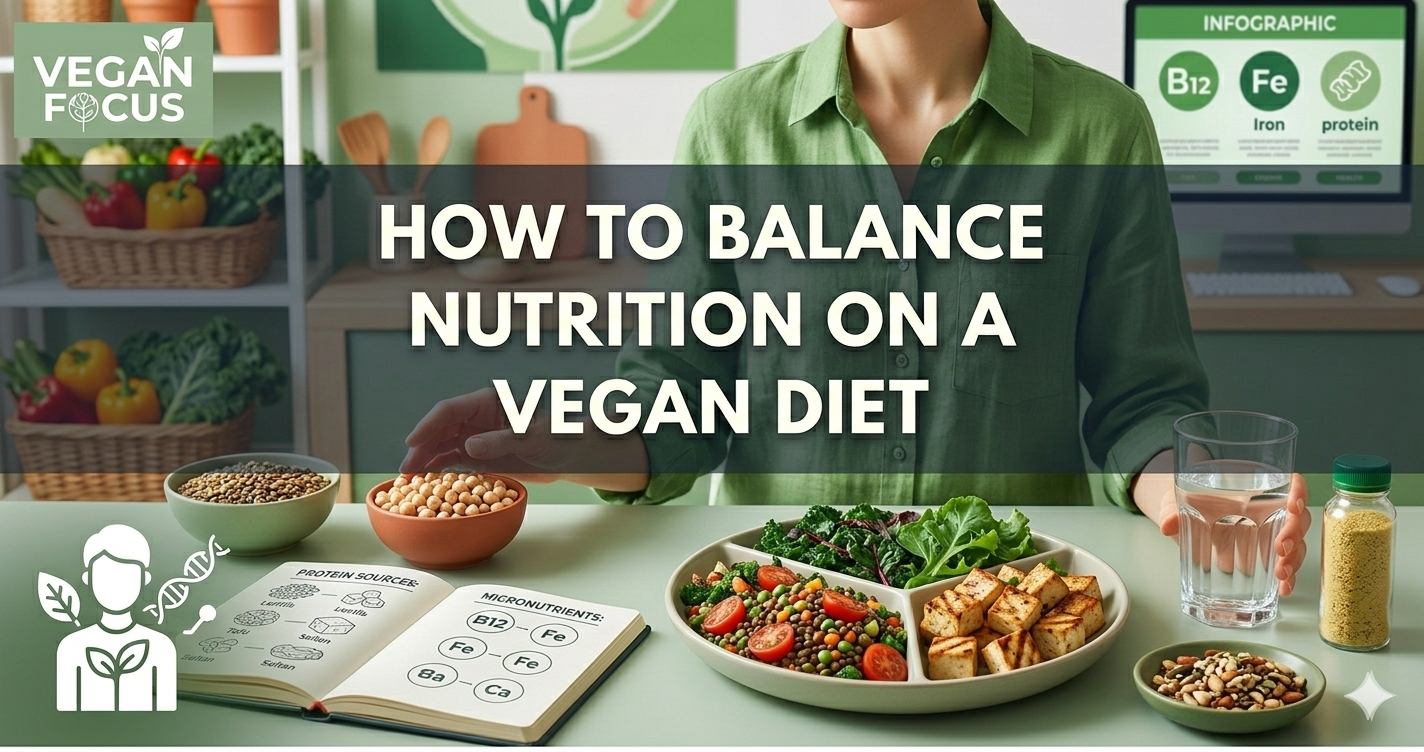
Switching to a plant-based lifestyle can be incredibly beneficial for your health, the environment, and overall well-being. However, many people often wonder how to balance nutrition on a vegan diet without missing out on essential nutrients. At Q Slim Fitness Studio, we frequently guide clients who want to follow a plant-based lifestyle but are unsure about how to eat balanced vegan diet meals that truly nourish the body.
A well-structured approach is key when understanding how to balance nutrition on a vegan diet. Contrary to popular belief, a vegan diet is not automatically healthy. It can either be nutrient-dense and balanced or heavily processed and deficient. The goal is to focus on variety, proper combinations, and mindful planning to create a sustainable and healthy vegan balanced diet plan.
Understanding What a Balanced Vegan Diet Really Means
Before diving into strategies, it’s important to understand what it truly means to have a balanced vegan diet. Many assume that simply eliminating animal products is enough. In reality, balance comes from ensuring that your body receives adequate protein, healthy fats, complex carbohydrates, vitamins, and minerals.
When people ask how to have a balanced vegan diet, the answer lies in thoughtful food selection. Whole grains, legumes, fruits, vegetables, nuts, seeds, and plant-based proteins must work together to provide complete nourishment. Without planning, you may fall short on nutrients such as vitamin B12, iron, calcium, omega-3 fatty acids, and protein.
A structured vegan balanced diet plan ensures that each meal contains a combination of macronutrients and micronutrients that support metabolism, hormone balance, muscle health, and immunity.
Protein – The Most Common Concern
One of the biggest questions at Q Slim Fitness Studio is about protein intake. Many clients transitioning to veganism worry about muscle loss or weakness. The truth is, it is entirely possible to meet protein needs through plant-based sources.
Understanding how to eat balanced vegan diet meals involves combining different plant proteins. Lentils, chickpeas, kidney beans, tofu, tempeh, edamame, quinoa, nuts, and seeds all contribute valuable amino acids. While some plant proteins may not contain all essential amino acids individually, eating a variety throughout the day ensures adequacy.
In the middle of your plant-based journey, you may again find yourself asking how to balance nutrition on a vegan diet when it comes to protein distribution. The key is not just total protein intake but spreading it across meals. Including protein in breakfast, lunch, and dinner helps maintain energy and muscle preservation.
Iron, Calcium, and Vitamin B12 – Critical Micronutrients
A balanced vegan diet requires special attention to micronutrients that are commonly found in animal products. Iron from plant sources such as spinach, lentils, and beans is non-heme iron, which is absorbed less efficiently. Pairing iron-rich foods with vitamin C sources like lemon, amla, or oranges enhances absorption.
Calcium can be obtained from sesame seeds, almonds, fortified plant milks, tofu set with calcium, and leafy greens. However, vitamin B12 is more challenging because it is primarily found in animal-based foods. Most vegans require fortified foods or supplements to maintain healthy levels.
When planning how to have a balanced vegan diet, regular blood tests and professional guidance can help ensure you are not developing hidden deficiencies.
Healthy Fats and Omega-3 Balance
Healthy fats are essential for hormone health, brain function, and nutrient absorption. In a vegan balanced diet plan, sources like flaxseeds, chia seeds, walnuts, and hemp seeds provide alpha-linolenic acid (ALA), a plant-based omega-3 fatty acid.
While the body can convert ALA into EPA and DHA, the conversion rate is limited. Some individuals may benefit from algae-based omega-3 supplements, especially if they have higher requirements.
Understanding how to eat balanced vegan diet meals includes incorporating these healthy fats daily rather than avoiding fats altogether. Many people unintentionally lower their fat intake too much, leading to fatigue or hormonal imbalances.
Carbohydrates – Choosing the Right Ones
A vegan diet often naturally contains higher carbohydrates. The focus should be on complex carbohydrates rather than refined ones. Whole grains like brown rice, millets, oats, and quinoa provide fibre, B vitamins, and sustained energy.
Refined vegan foods such as white bread, sugary cereals, and packaged snacks can technically be vegan but are not nutritionally balanced. At Q Slim Fitness Studio, we emphasise whole, minimally processed foods as the foundation of how to balance nutrition on a vegan diet effectively.
Sample Structure of a Vegan Balanced Diet Plan
A simple structure can help visualise balance. Breakfast might include oats with chia seeds, nuts, and fruit. Lunch could consist of dal, brown rice, and sautéed vegetables. Dinner may feature tofu or chickpea curry with whole wheat roti and salad. Snacks could include roasted chana, fruit with nut butter, or a handful of mixed seeds.
The idea is to combine protein, fibre, healthy fats, and complex carbohydrates at every meal. This approach ensures satiety, blood sugar stability, and nutrient adequacy.
Nutritionist-Recommended Tips for Maintaining Balance
As recommended by nutritionists at Q Slim Fitness Studio, a gradual transition works better than the sudden elimination of all animal products. This allows your body to adjust and gives you time to understand how to have a balanced vegan diet without feeling overwhelmed.
Meal planning plays a major role. Preparing weekly menus helps avoid last-minute unhealthy choices. Including a variety of colored vegetables ensures diverse antioxidants and phytonutrients. Rotating legumes and grains prevents monotony and improves nutrient coverage.
Monitoring energy levels, digestion, hair health, and menstrual cycles can provide early signs of imbalance. Staying hydrated and consuming adequate calories is equally important because some individuals unintentionally undereat when shifting to plant-based diets.
Regular consultations with a qualified nutritionist can provide personalised adjustments based on lifestyle, activity levels, and medical conditions. A customised vegan balanced diet plan ensures long-term sustainability rather than short-term experimentation.
Making Your Vegan Diet Truly Sustainable
Learning how to balance nutrition on a vegan diet is not about restriction but about intelligent inclusion. When properly structured, a vegan diet can support weight management, improve heart health, enhance digestion, and reduce inflammation.
The real difference lies in planning. Knowing how to eat balanced vegan diet meals that include adequate protein, iron, calcium, healthy fats, and complex carbohydrates transforms veganism into a nourishing lifestyle rather than a trend. At Q Slim Fitness Studio, we believe every dietary pattern should be personalised. Whether you are transitioning for ethical reasons, health benefits, or weight management, understanding how to balance nutrition on a vegan diet ensures that your plant-based journey remains both safe and effective.
