






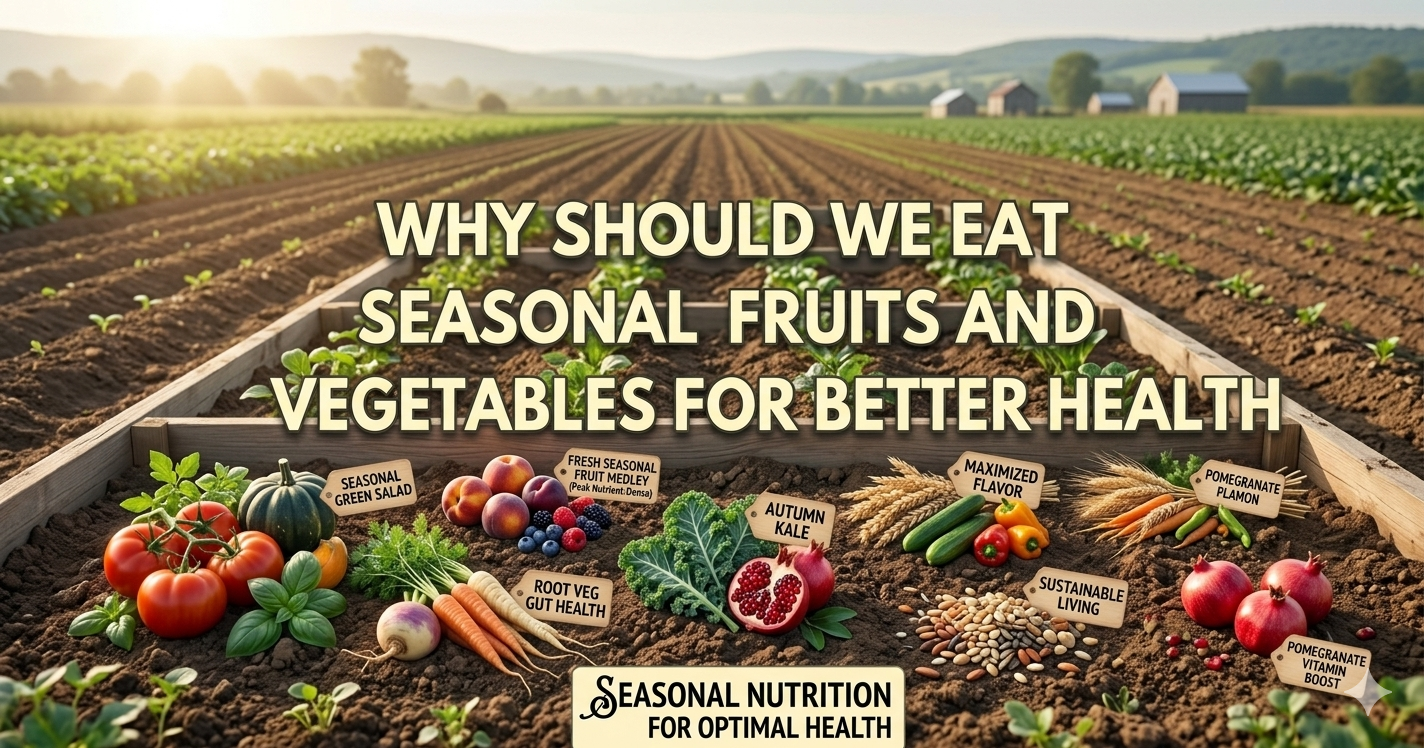
In recent years, nutrition experts have encouraged people to return to simpler, more natural eating habits. One of the most effective ways to improve overall nutrition is by including seasonal produce in daily meals. Many people often ask why should we eat seasonal fruits and vegetables, especially when supermarkets today offer a wide variety of produce throughout the year. While imported or off-season produce may appear convenient, seasonal foods offer unique advantages in terms of freshness, nutrition, and overall health benefits.
At Q Slim Fitness Studio, dietitians often recommend incorporating local and seasonal foods as part of a balanced diet plan. Seasonal fruits and vegetables naturally align with the body’s nutritional needs during different times of the year, making them an essential part of a sustainable and healthy lifestyle. Understanding the importance of seasonal fruits and vegetables can help individuals make better food choices that support long-term health and well-being.
Understanding Seasonal Produce
Seasonal fruits and vegetables are those that grow naturally during a particular time of the year in a specific region. Because they are harvested at the right stage of growth, these foods are fresher and often richer in nutrients compared to produce that is grown artificially or transported long distances.
When fruits and vegetables are consumed in their natural season, they retain their flavour, texture, and nutritional quality. For example, summer fruits like mangoes, watermelons, and berries help hydrate the body, while winter vegetables such as carrots, spinach, and sweet potatoes provide nutrients that support immunity and warmth.
Recognising the natural cycle of produce helps us understand why should we eat seasonal fruits and vegetables rather than relying heavily on foods that are available year-round through artificial growing methods or long storage periods.
The Benefits of Eating Seasonal Fruits and Vegetables
One of the key benefits of eating seasonal fruits and vegetables is their superior freshness. Produce that is harvested during its natural growing season does not require extended storage or long transportation periods, which helps preserve its natural taste and nutritional content.
Seasonal foods are also more nutrient-dense. When fruits and vegetables are grown under natural conditions, they develop higher levels of vitamins, minerals, and antioxidants. These nutrients play an important role in supporting immunity, improving digestion, and maintaining healthy energy levels.
Another benefit is that seasonal produce tends to be more affordable and accessible. When a particular fruit or vegetable is abundant during its season, it becomes easier for people to include it regularly in their meals without significantly increasing their grocery expenses.
From a dietitian’s perspective, seasonal foods also encourage dietary variety. As different fruits and vegetables become available throughout the year, individuals are naturally encouraged to diversify their diet and consume a wider range of nutrients.
Importance of Seasonal Fruits and Vegetables for Overall Health
The importance of seasonal fruits and vegetables goes beyond simple nutrition. Seasonal foods often support the body’s natural adaptation to climate and environmental changes.
During hot months, fruits with high water content, such as watermelon, cucumber, and oranges, help maintain hydration and electrolyte balance. In colder months, vegetables rich in vitamins and antioxidants support immune function and help the body stay resilient against seasonal illnesses.
Seasonal eating also promotes better digestion. Foods that grow naturally in a particular season often match the body’s digestive needs during that time of year. For example, lighter and water-rich fruits are easier to digest during summer, while root vegetables provide warmth and sustained energy during winter.
Dietitians often emphasise that incorporating seasonal foods into daily meals supports overall metabolic health. When the body receives a diverse range of nutrients throughout the year, it functions more efficiently and maintains better balance.
Nutritive Value of Local Seasonal Fruits and Vegetables
Another important factor to consider is the nutritive value of local seasonal fruits and vegetables. Locally grown produce is usually harvested closer to peak ripeness and reaches consumers quickly. This helps preserve essential nutrients such as vitamin C, potassium, fibre, and antioxidants.
In contrast, fruits and vegetables that travel long distances may lose some of their nutritional value during storage and transportation. By choosing locally grown seasonal produce, individuals can ensure that they are receiving the maximum nutritional benefit from their food.
Local seasonal foods also tend to be grown in conditions suited to the region’s climate and soil. This natural growth environment often results in stronger flavour and better nutrient concentration. For individuals trying to improve their diet quality, choosing locally sourced seasonal produce can be a simple yet effective strategy.
At Q Slim Fitness Studio, nutrition plans often include locally available fruits and vegetables because they provide balanced nutrition while supporting sustainable eating habits. Dietitians believe that returning to seasonal and local foods can significantly improve overall health and help individuals develop long-term healthy eating patterns.
Seasonal Foods and Better Digestive Health
Another important advantage of seasonal eating is its positive effect on digestive health. The human digestive system naturally adapts to environmental and climate changes, and seasonal foods often support this process. Fruits and vegetables that grow during a particular season tend to contain nutrients and fibre that help the body digest food more efficiently during that time of year.
For instance, summer fruits with high water content can help keep the digestive system light and hydrated, while winter vegetables rich in fibre and minerals support gut health and sustained energy. Including a variety of seasonal produce in daily meals helps maintain a healthy digestive system, improves nutrient absorption, and supports overall metabolic balance. From a dietitian’s perspective, seasonal eating not only enhances nutrition but also promotes smoother digestion and long-term gut health.
Creating Healthy Eating Habits With Seasonal Foods
Adopting a seasonal approach to nutrition does not require drastic dietary changes. It simply involves paying attention to what fruits and vegetables are naturally available during different times of the year and incorporating them into everyday meals.
This practice encourages mindful eating and helps individuals reconnect with natural food cycles. Over time, it becomes easier to build balanced meals that include fresh produce, whole grains, healthy fats, and adequate protein.
Understanding why should we eat seasonal fruits and vegetables allows individuals to make more informed decisions about their diet. By prioritising fresh, locally available produce, it is possible to improve nutritional intake, enhance digestion, and support overall wellness.
Incorporating the benefits of eating seasonal fruits and vegetables into daily life is one of the simplest ways to maintain a healthy diet. When individuals recognise the importance of seasonal fruits and vegetables and appreciate the nutritive value of local seasonal fruits and vegetables, they are better equipped to build sustainable eating habits that promote long-term health.
