






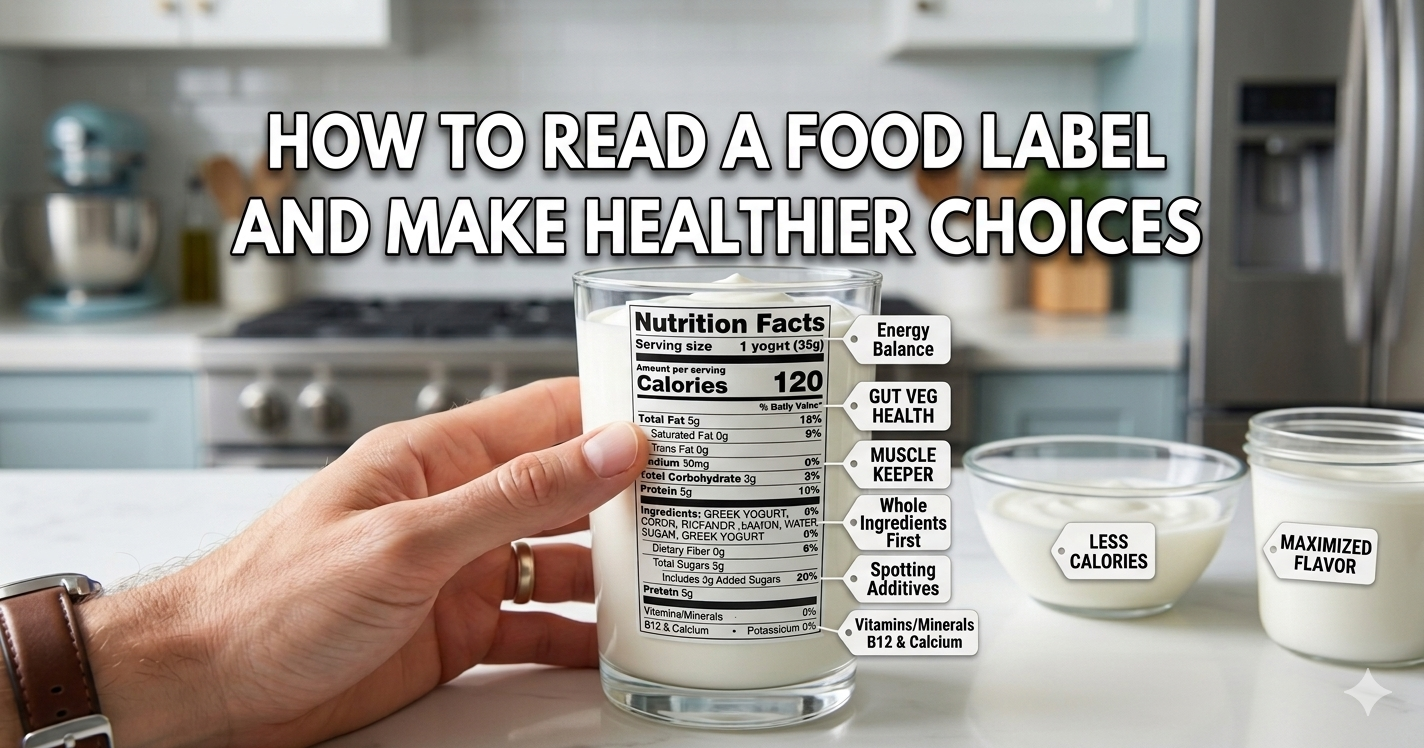
This is a fast-paced world, where packaged foods have become a regular part of many people’s diets. From breakfast cereals and snacks to sauces and ready-to-eat meals, food labels provide valuable information about what we are consuming. However, many people overlook this information or find it confusing. Learning how to read a food label can help individuals make better dietary decisions and develop healthier eating habits.
At Q Slim Fitness Studio, dietitians often emphasise the importance of understanding nutrition labels as part of building sustainable nutrition habits. When individuals understand what food labels really mean, they can be more aware of the ingredients and nutrients in their food. This awareness helps them choose healthier options that support long-term wellness and weight management.
Why Is It Important to Read Food Labels
One of the most common questions people ask is why is it important to read food labels before purchasing or consuming packaged foods. Food labels are designed to provide consumers with clear and transparent information about the nutritional composition of a product.
By reading the label carefully, individuals can identify the amount of calories, fats, sugars, protein, and other nutrients present in the product. This information helps people make informed decisions based on their personal health goals. For example, someone focusing on weight management may want to choose foods with balanced calorie content and lower added sugar.
Food labels also reveal the ingredients used in a product. This is particularly important for individuals with dietary restrictions, allergies, or specific health concerns. By understanding the ingredients and nutritional values listed on a package, consumers can avoid foods that may negatively affect their health.
Dietitians often encourage individuals to develop the habit of checking food labels because it promotes mindful eating and greater awareness of daily nutrient intake.
What Does a Food Label Tell You
Many people are unaware of the detailed information that food labels provide. Understanding what does a food label tell you can help individuals interpret this information more effectively.
A typical food label includes details such as serving size, calorie content, macronutrients, and ingredient lists. The serving size indicates the recommended portion of the product, which helps consumers understand how much of the listed nutritional information applies to the portion they are eating.
The calorie section provides insight into the energy value of the food. This can be useful for individuals trying to balance their daily energy intake with their activity levels. Macronutrients such as carbohydrates, protein, and fats are also listed, offering a clearer picture of how the food contributes to overall nutrition.
Food labels may also include vitamins and minerals such as iron, calcium, and vitamin C. These nutrients are important for maintaining overall health and supporting essential bodily functions.
Understanding these details helps individuals recognise whether a particular food fits well into their dietary needs and lifestyle.
Understanding What Food Labels Really Mean
Although food labels provide useful information, interpreting them correctly is equally important. Many products use marketing terms that can sometimes create confusion about the nutritional value of the food. Learning what food labels really mean helps consumers look beyond attractive packaging and understand the actual nutritional content.
For example, labels such as “low fat,” “sugar-free,” or “natural” may appear appealing, but they do not always guarantee that a product is entirely healthy. A food that is low in fat may still contain high amounts of sugar or sodium. Similarly, a product labelled as “natural” may still include additives or preservatives.
Another important aspect is the ingredient list. Ingredients are usually listed in descending order based on quantity. This means that the first few ingredients make up the largest portion of the product. If sugar, refined flour, or artificial additives appear at the top of the list, it indicates that the product may not be as nutritious as it seems.
From a dietitian’s perspective, understanding these details helps consumers develop a more realistic view of packaged foods and avoid misleading health claims.
How to Read a Food Label for Healthier Choices
Knowing how to read a food label can significantly improve the quality of everyday food choices. One of the first things to check is the serving size, as this determines how the nutritional values apply to the portion being consumed. Many packaged foods appear to have low calorie content, but the listed information may only apply to a small serving size.
Next, reviewing the calorie content and macronutrient breakdown can help individuals evaluate whether the food supports their health goals. Balanced foods generally include a reasonable amount of protein, controlled levels of sugar, and moderate fat content.
Checking the ingredient list is another important step. Foods with shorter ingredient lists and recognisable ingredients are often better choices compared to heavily processed products with numerous artificial additives.
At Q Slim Fitness Studio, nutrition experts guide individuals in understanding food labels so they can make smarter decisions when selecting packaged foods. This approach helps people build healthier habits without feeling restricted or overwhelmed.
Food Labels and Long-Term Healthy Eating
Understanding what does a food label tell you is not just about counting calories or avoiding certain ingredients. It is about building awareness and developing healthier relationships with food. When individuals learn to evaluate nutrition labels properly, they gain greater control over their dietary choices.
Food labels empower consumers to choose products that align with their health goals, whether they are focusing on weight management, balanced nutrition, or overall wellness. This habit also encourages mindful eating, as individuals become more conscious of what they are putting into their bodies.
By understanding why is it important to read food labels, individuals can gradually replace less nutritious options with healthier alternatives. Over time, this simple habit can lead to better energy levels, improved digestion, and stronger overall health.
Better Nutrition Habits Through Awareness
Developing the ability to interpret what food labels really mean is an important step toward building a healthier lifestyle. While packaged foods may sometimes be convenient, understanding their nutritional content helps individuals make smarter and more balanced choices.
Learning how to read a food label allows consumers to take an active role in their health and well-being. By paying attention to serving sizes, ingredient lists, and nutrient values, individuals can choose foods that support long-term health goals. With guidance from nutrition experts, individuals can gain the knowledge and confidence needed to make healthier food choices every day. Over time, this awareness becomes a powerful tool for maintaining balanced nutrition and achieving sustainable wellness.
