






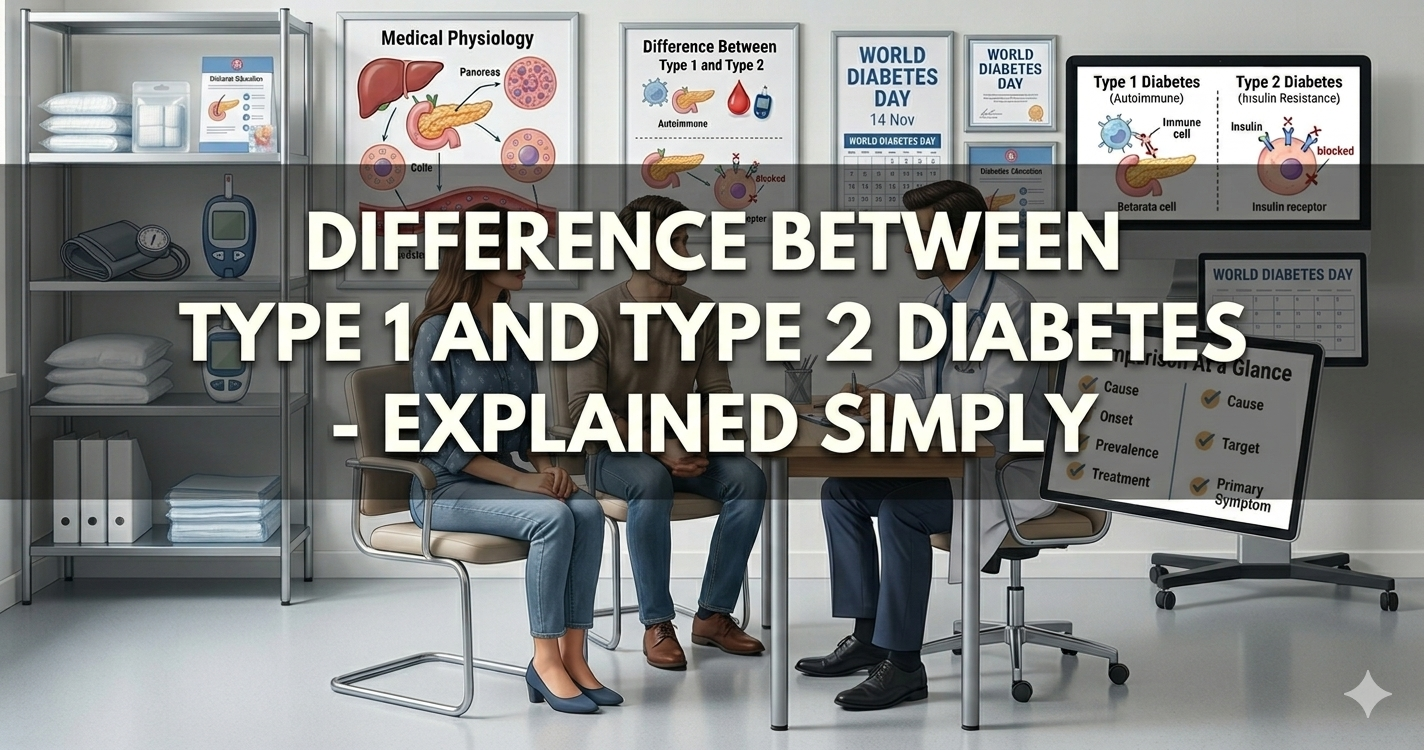
Diabetes is one of the most common lifestyle-related health conditions today, yet many people still do not fully understand its different types. While both Type 1 and Type 2 diabetes affect blood sugar levels, they are fundamentally different in terms of causes, onset, and management.
At Q Slim Fitness Studio, we often meet individuals who are confused about their diagnosis or unsure how their condition impacts their lifestyle and diet. Understanding the difference between type 1 and type 2 diabetes is the first step toward managing the condition effectively and preventing complications.
What Is Diabetes?
Before exploring the differences, it is important to understand what diabetes actually is. Diabetes is a condition in which the body either does not produce enough insulin or cannot use insulin effectively. Insulin is a hormone that helps regulate blood sugar (glucose) levels.
When insulin function is impaired, glucose builds up in the bloodstream, leading to various health issues. Both types of diabetes involve this problem, but the reasons behind it differ significantly.
What Is Type 1 Diabetes?
Type 1 diabetes is an autoimmune condition in which the body’s immune system mistakenly attacks and destroys insulin-producing cells in the pancreas. As a result, the body produces little to no insulin.
This type of diabetes is usually diagnosed in children, teenagers, or young adults, although it can occur at any age. People with Type 1 diabetes require lifelong insulin therapy to survive.
Understanding what’s the difference between type 1 and type 2 diabetes starts with recognising that Type 1 is not caused by lifestyle factors. It cannot be prevented and is not linked to diet or physical activity.
What Is Type 2 Diabetes?
Type 2 diabetes is the more common form of diabetes and is primarily linked to lifestyle factors such as poor diet, lack of physical activity, and obesity. In this condition, the body either becomes resistant to insulin or does not produce enough of it.
Unlike Type 1, Type 2 diabetes develops gradually over time and is often diagnosed in adults, although it is increasingly seen in younger individuals due to changing lifestyles.
At Q Slim, we focus extensively on managing and even reversing early-stage Type 2 diabetes through personalised nutrition and fitness plans.
Key Difference Between Type 1 and Type 2 Diabetes
The key difference between type 1 and type 2 diabetes lies in how the body handles insulin.
In Type 1 diabetes, the body does not produce insulin at all due to autoimmune destruction of pancreatic cells. In Type 2 diabetes, insulin is still produced, but the body cannot use it effectively, leading to insulin resistance.
Another important difference is the cause. Type 1 is largely genetic and autoimmune, while Type 2 is strongly influenced by lifestyle choices such as diet, physical activity, and body weight.
Understanding the Core Differences
Although both types share some common symptoms, their onset and severity can vary.
Type 1 diabetes symptoms tend to appear suddenly and may include excessive thirst, frequent urination, unexplained weight loss, fatigue, and blurred vision.
Type 2 diabetes symptoms develop more slowly and may go unnoticed for years. Common signs include fatigue, increased hunger, slow-healing wounds, and frequent infections.
Recognising these symptoms early is crucial in understanding the difference between type 1 and type 2 diabetes and seeking timely medical intervention.
Who Is More Likely to Develop Each Type?
Type 1 diabetes cannot be predicted or prevented, as it is not linked to lifestyle. However, genetic predisposition may play a role.
Type 2 diabetes, on the other hand, has several risk factors, including obesity, sedentary lifestyle, unhealthy eating habits, family history, and age.
This highlights what’s the difference between type 1 and type 2 diabetes in terms of prevention. While Type 1 cannot be avoided, Type 2 diabetes can often be prevented or delayed through healthy lifestyle changes.
How Each Type Is Managed in Daily Life
Management strategies differ significantly between the two types.
People with Type 1 diabetes must rely on insulin injections or insulin pumps for survival. They also need to monitor their blood sugar levels regularly.
Type 2 diabetes management often begins with lifestyle modifications such as a balanced diet, regular exercise, and weight management. In some cases, oral medications or insulin therapy may be required.
We help individuals manage Type 2 diabetes by focusing on sustainable diet plans and fitness routines that improve insulin sensitivity and overall health.
Role of Diet and Lifestyle
Diet plays a critical role in managing both types of diabetes, but it is especially important for Type 2 diabetes.
A balanced diet rich in whole foods, fibre, lean proteins, and healthy fats can help regulate blood sugar levels and reduce complications. Regular physical activity further enhances insulin sensitivity.
Understanding the key difference between type 1 and type 2 diabetes also involves recognising that lifestyle changes have a much greater impact on Type 2 diabetes outcomes.
Long-Term Health Impact
If not managed properly, both types of diabetes can lead to serious complications, including heart disease, kidney damage, nerve issues, and vision problems.
However, with proper management, individuals with either type can lead healthy and active lives. Early diagnosis and consistent care are essential for reducing risks.
How Q Slim Fitness Studio Supports Diabetes Management
Managing diabetes can feel overwhelming, especially with the amount of information available. At Q Slim Fitness Studio, we simplify this process by providing personalised guidance tailored to your condition and lifestyle.
Our approach focuses on helping you understand what’s the difference between type 1 and type 2 diabetes, while also equipping you with practical tools to manage your health effectively.
For individuals with Type 2 diabetes, we design structured nutrition and fitness plans that support blood sugar control, weight management, and long-term wellness.
Making Sense of Diabetes for Better Health
Understanding the difference between type 1 and type 2 diabetes empowers you to make informed decisions about your health. While both conditions affect blood sugar, their causes, management, and long-term strategies are very different.
By recognising the key difference between type 1 and type 2 diabetes and adopting the right lifestyle habits, you can take control of your health and reduce the risk of complications. With the right guidance and consistency, managing diabetes becomes not just possible but sustainable.
