





Cholesterol is often discussed in conversations around heart health, but the real impact it has on your body is not always fully understood. At Q Slim Fitness Studio, a holistic approach to wellness means looking beyond weight loss and focusing on internal health markers like cholesterol that play a crucial role in long-term wellbeing.
Many people ask questions like “how is high cholesterol linked to heart disease”, or “can high cholesterol cause heart issues”, especially when routine blood tests show elevated levels. Understanding these connections is essential not only for prevention but also for making informed lifestyle choices that protect your heart over time.
What Is Cholesterol and Why Does It Matter
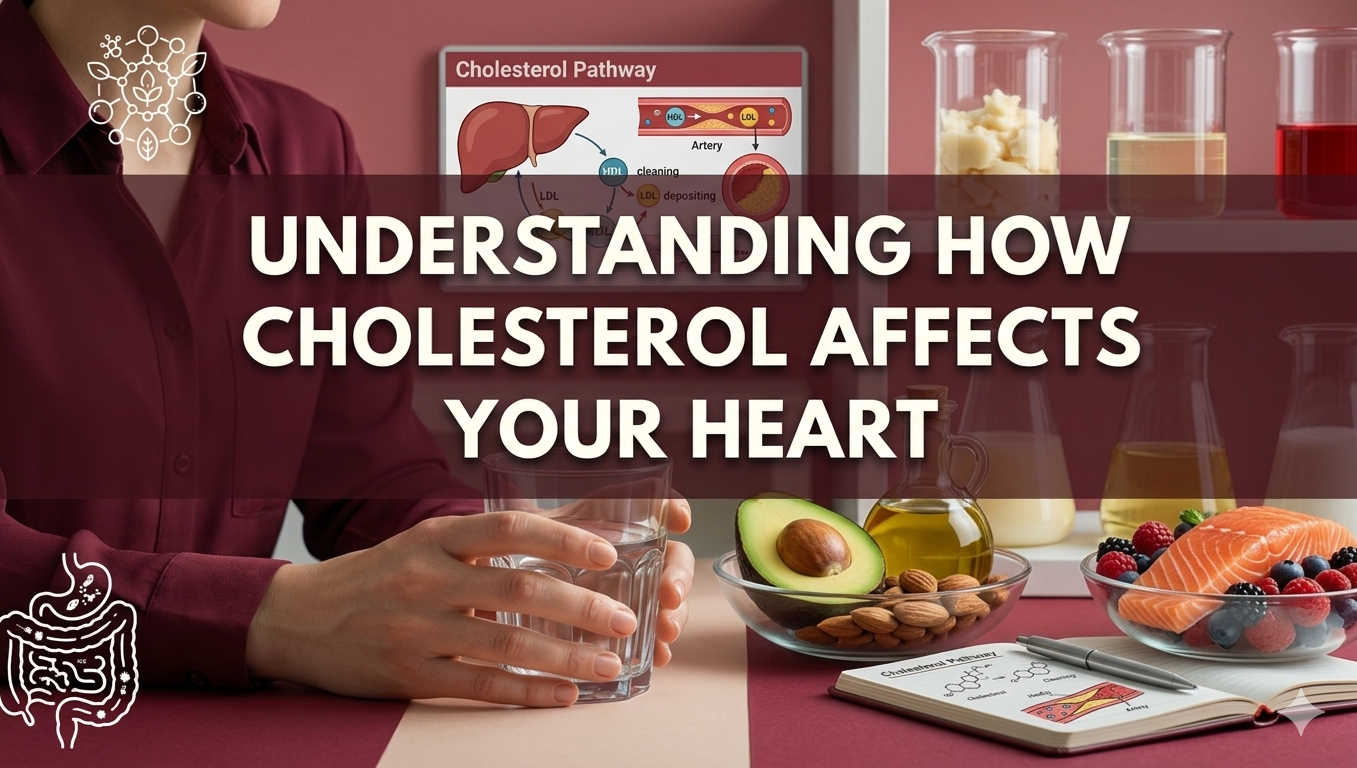
Cholesterol is a waxy, fat-like substance found in your blood. Your body needs it to build healthy cells, produce hormones, and support various biological functions. However, when cholesterol levels become imbalanced, particularly when low-density lipoprotein (LDL) rises, it can begin to negatively affect your cardiovascular system.
Two primary types of cholesterol influence heart health. LDL, often referred to as “bad cholesterol,” contributes to plaque buildup in arteries. High-density lipoprotein (HDL), known as “good cholesterol,” helps remove excess cholesterol from the bloodstream. The balance between these two determines how your heart is impacted.
How Is High Cholesterol Linked to Heart Disease
To understand how is high cholesterol linked to heart disease, it is important to look at what happens inside your arteries over time. When there is too much LDL cholesterol in the blood, it begins to deposit along the walls of the arteries. This buildup forms plaque, a sticky substance that narrows and hardens the arteries.
As plaque accumulates, it restricts blood flow to vital organs, including the heart. This condition is known as atherosclerosis. Reduced blood flow means the heart has to work harder to pump oxygen-rich blood throughout the body. Over time, this strain increases the risk of serious cardiovascular conditions such as coronary artery disease, heart attacks, and strokes.
This is the primary reason why high cholesterol is linked to heart disease; it gradually damages the very pathways your heart depends on to function efficiently.
Why Is High Cholesterol Linked to Heart Disease
When exploring why is high cholesterol linked to heart disease, the answer lies in both inflammation and structural damage within blood vessels. High cholesterol does not just sit passively in your bloodstream; it actively contributes to inflammation in the arterial walls.
Inflammation makes arteries more vulnerable to injury and encourages further plaque buildup. Over time, plaques can rupture, leading to the formation of blood clots. If a clot blocks blood flow to the heart, it can result in a heart attack.
This process often develops silently, without noticeable symptoms, which is why high cholesterol is sometimes referred to as a “silent risk factor”. People may feel perfectly healthy until a serious heart issue occurs, making regular monitoring essential.
How Does Bad Cholesterol Affect Your Heart
A common concern is how does bad cholesterol affect your heart, particularly when LDL levels are consistently high. Bad cholesterol directly impacts the elasticity and function of blood vessels.
As LDL accumulates, arteries lose their flexibility and become stiff. This stiffness makes it harder for blood to circulate efficiently, increasing blood pressure and putting additional strain on the heart. Over time, the heart muscle may weaken due to this constant pressure.
At Q Slim Fitness Studio, the focus is not only on reducing weight but also on improving internal health markers like cholesterol levels. Lifestyle interventions such as balanced nutrition, structured fitness routines, and metabolic optimisation play a key role in lowering LDL levels and supporting heart health.
Can High Cholesterol Cause Heart Issues
The question can high cholesterol cause heart issues has a clear answer: yes, it can significantly increase the risk of multiple heart-related conditions. High cholesterol is one of the leading contributors to cardiovascular disease globally.
When arteries become severely narrowed or blocked, the heart may not receive enough oxygen-rich blood. This can lead to angina, a type of chest pain, or more severe events like heart attacks. In some cases, prolonged reduced blood flow can weaken the heart muscle, contributing to heart failure.
Even individuals who appear physically fit can be at risk if their cholesterol levels are not within a healthy range. This highlights the importance of regular screenings and proactive health management.
Managing Cholesterol for Better Heart Health
Managing cholesterol is not about eliminating it but maintaining a healthy balance. Diet plays a significant role, particularly in reducing intake of trans fats and saturated fats while increasing fibre-rich foods. Regular physical activity helps improve HDL levels and reduce LDL levels, supporting overall cardiovascular health.
Stress management, adequate sleep, and avoiding smoking also contribute to healthier cholesterol levels. When combined, these lifestyle factors create a strong foundation for protecting your heart over the long term.
Understanding the science behind cholesterol and its impact on the heart empowers individuals to take control of their health. By addressing cholesterol early and consistently, it becomes possible to reduce risks and support a healthier, stronger cardiovascular system.
