






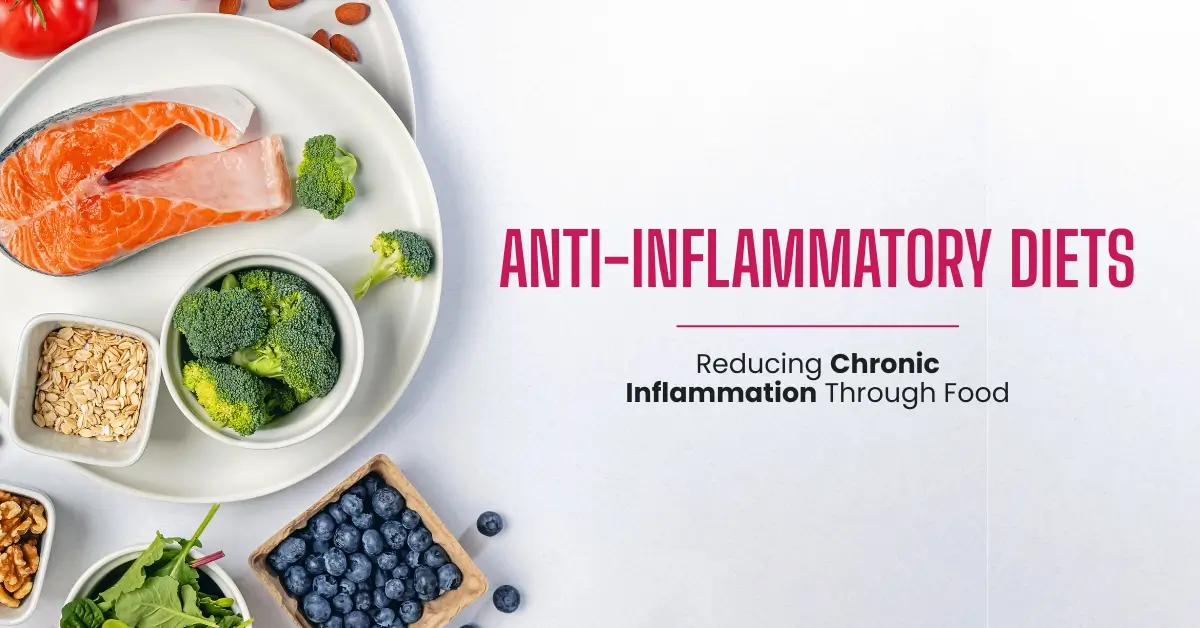
Introduction
Following an anti-inflammatory diet is one of the best ways to fight chronic inflammation and improve overall health. Chronic inflammation can contribute to serious health problems such as arthritis, heart disease, obesity, and autoimmune disorders. The good news is that making the right dietary choices can help reduce inflammation naturally!
An anti-inflammatory diet focuses on foods that fight inflammation and eliminate those that trigger it. By making simple dietary changes, you can reduce pain, improve immunity, support gut health, and promote sustainable weight loss.
📌 How to Boost Your Immune System with Nutrition – Learn how nutrition plays a crucial role in reducing inflammation and strengthening your immunity.
What is Inflammation and Why Does an Anti-Inflammatory Diet Matter?
Inflammation is your body’s way of protecting itself from injury, infections, or toxins. It can be acute (short-term), like swelling from a cut, or chronic (long-term), which occurs when the immune system stays overactive.
Chronic inflammation is associated with various health risks, including obesity, diabetes, heart disease, and even depression. Moreover, it weakens the immune system over time, making the body more susceptible to illnesses. Fortunately, adopting an anti-inflammatory diet can significantly reduce its effects.
Common Causes of Chronic Inflammation & How Diet Can Help
Many lifestyle and dietary habits contribute to inflammation, including:
❌ Processed and fried foods – High in trans fats and refined carbs, which cause inflammation
❌ Too much sugar – Excess sugar raises insulin levels, leading to chronic inflammation
❌ Lack of physical activity – Sitting for long hours slows metabolism and increases fat storage
❌ Poor gut health – An unhealthy gut microbiome can trigger inflammation in the body
❌ Chronic stress and poor sleep – Stress hormones like cortisol fuel inflammation
The right diet can help balance these effects and reduce inflammation naturally.
Top Anti-Inflammatory Diet Foods to Reduce Inflammation
1. Leafy Greens & Vegetables – Essential for an Anti-Inflammatory Diet
Packed with antioxidants and vitamins, vegetables help fight inflammation and protect against diseases.
✔ Best choices: Spinach, kale, broccoli, carrots, and bell peppers
2. Omega-3 Rich Foods – A Key Part of Any Anti-Inflammatory Meal Plan
Omega-3 fatty acids help reduce joint pain, protect the heart, and lower inflammation levels.
✔ Best choices: Fatty fish (salmon, mackerel), walnuts, flaxseeds, and chia seeds
3. Spices Like Turmeric & Ginger – Powerful Anti-Inflammatory Ingredients
These spices are natural inflammation fighters that help relieve pain and improve digestion.
✔ Best choices: Add turmeric to curries, golden milk, or warm water with black pepper
4. Nuts and Seeds for Healthy Fats
Rich in good fats and antioxidants, nuts and seeds protect against inflammation and improve brain health.
✔ Best choices: Almonds, walnuts, sunflower seeds, and flaxseeds
5. Whole Grains for Gut Health
Refined grains cause inflammation, while whole grains provide fiber for better digestion.
✔ Best choices: Brown rice, quinoa, oats, and whole wheat roti
6. Probiotic and Fermented Foods
A healthy gut plays a big role in controlling inflammation.
✔ Best choices: Yogurt, kimchi, kefir, miso, and homemade pickles
Meal Plan for an Anti-Inflammatory Diet: Reduce Inflammation Naturally
Here’s a simple meal plan to reduce inflammation and improve overall health:
Breakfast
✅ Oatmeal with flaxseeds and berries
✅ Green smoothie with spinach, banana, and chia seeds
Lunch
✅ Grilled salmon with quinoa and sautéed veggies
✅ Dal, brown rice, and mixed greens salad
Dinner
✅ Stir-fried tofu with whole wheat roti
✅ Vegetable soup with turmeric and ginger
Snacks
✅ A handful of walnuts or almonds
✅ Greek yogurt with honey and cinnamon
Following an anti-inflammatory diet consistently can reduce chronic pain, boost metabolism, and improve overall well-being.
Lifestyle Tips to Enhance the Benefits of an Anti-Inflammatory Diet
1. Stay Active with Daily Movement
✔ Aim for 30 minutes of exercise daily (walking, yoga, strength training)
✔ Take breaks from sitting every hour to stretch and move
2. Manage Stress with Mindfulness
✔ Practice deep breathing, meditation, or journaling
✔ Get 7-8 hours of quality sleep every night
3. Drink Plenty of Water
✔ Hydration flushes out toxins and reduces inflammation in the body
✔ Aim for 8-10 glasses of water daily
4. Avoid Processed and Sugary Foods
✔ Swap sugary drinks for herbal teas
✔ Choose homemade meals over packaged foods
Conclusion
Chronic inflammation can lead to serious health problems, but the right food choices can help you fight inflammation naturally. By following an anti-inflammatory diet, you can improve your immunity, gut health, and long-term well-being.
Making simple changes like eating more whole foods, reducing sugar, staying active, and managing stress can help you feel better and prevent inflammation-related diseases.
Transform Your Health with Q-Slim Fitness Studio!
At Q-Slim Fitness Studio, we offer personalized anti-inflammatory meal plans that help you fight inflammation and improve overall wellness.
👉 Want to reduce inflammation naturally? Book a consultation with Q-Slim Fitness Studio today!
Frequently Asked Questions (FAQs)
1. What is the best anti-inflammatory food?
The best anti-inflammatory foods include leafy greens, turmeric, ginger, omega-3 rich fish, nuts, and berries.
2. Can an anti-inflammatory diet help with joint pain?
Yes! Foods rich in omega-3s, turmeric, and antioxidants help reduce joint pain and stiffness.
3. How can I reduce inflammation naturally?
✔ Eat more whole, plant-based foods
✔ Avoid processed and sugary foods
✔ Exercise regularly and manage stress
