





TL;DR – What you eat after a workout plays a direct role in muscle repair, energy replenishment, and how well the body adapts to training, and getting it wrong can quietly undo part of the effort put into exercise. Protein supplies the amino acids needed for muscle repair, while carbohydrates replenish glycogen stores that fuel training, and both are needed rather than one at the expense of the other. Eating a balanced meal within one to two hours after training, staying hydrated, and being consistent matter more than hitting an exact thirty minute window.
The Full Breakdown
Many people put significant effort into their workouts but overlook what happens in the hour afterward. Post workout nutrition plays a direct role in how well the body repairs muscle, restores energy, and adapts to training, and getting it wrong can quietly undo a large part of the effort put into the workout itself.
At Q Slim Fitness, post workout nutrition is treated as an extension of the training plan, not an afterthought. This blog explains what actually happens in the body after exercise and how to eat in a way that supports genuine recovery.
What Happens to the Body After Exercise
During exercise, especially resistance training, muscle fibres experience small amounts of stress and micro damage. Glycogen, the body’s stored form of carbohydrate, is also used up to fuel the workout. The period immediately after training is when the body is primed to repair this damage and replenish energy stores most efficiently.
This window is often referred to as the recovery period, and what is eaten during this time has a meaningful impact on how well the body adapts and rebuilds.
Why Protein Matters After a Workout
Protein provides the amino acids needed to repair and rebuild muscle tissue. Without adequate protein intake after training, the body has fewer building blocks available for this repair process, which can slow strength gains and recovery over time.
A general guideline is to include a source of quality protein such as eggs, paneer, curd, chicken, fish, or a plant based protein combination within a reasonable window after training.
Why Carbohydrates Are Still Important
Carbohydrates are often unfairly avoided after workouts due to weight loss concerns, but they play an essential role in replenishing glycogen stores. Without enough carbohydrate intake, the body may break down muscle protein for energy instead of using it for repair, which works against recovery goals.
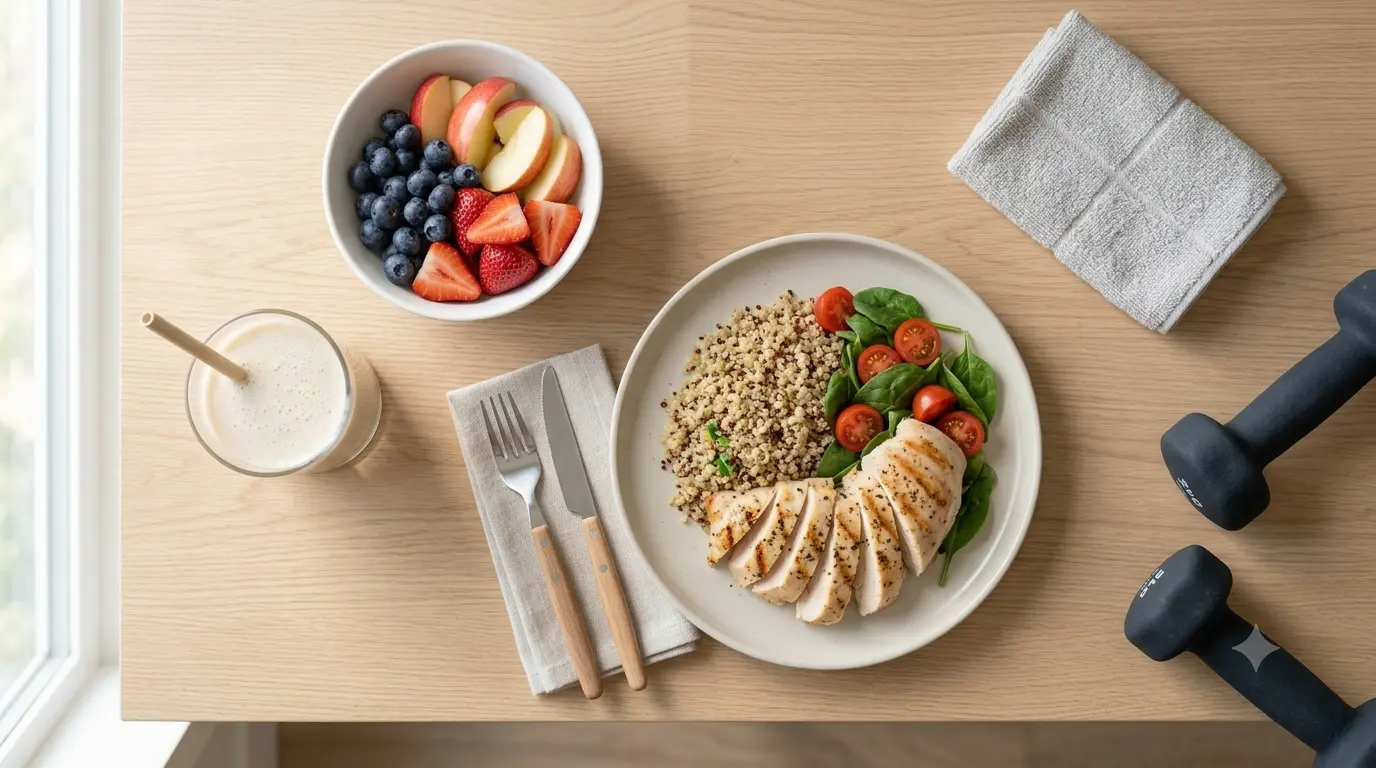
Whole grains, fruit, or starchy vegetables paired with protein provide a balanced post workout meal that supports both muscle repair and energy restoration.
The Role of Hydration in Recovery
Fluid and electrolyte losses during exercise, particularly in hot or humid conditions, need to be replaced for proper recovery. Dehydration slows metabolic processes, increases perceived fatigue, and can affect performance in the next training session if not addressed.
Practical Post Workout Meal Ideas
1. Eggs With Whole Grain Toast
A simple combination that provides quality protein alongside carbohydrates for glycogen replenishment.
2. Curd With Fruit and Seeds
Curd offers protein and probiotics, while fruit provides fast digesting carbohydrates and seeds add healthy fats and micronutrients.
3. Paneer or Tofu With Vegetables and Rice
A balanced plate that works well for both vegetarian and vegan clients looking to support muscle recovery.
4. Protein Smoothie With Banana
A convenient option for those short on time, combining fast absorbing protein with easily digestible carbohydrates.
Timing Considerations
While the idea of a strict thirty minute window has been somewhat overstated in popular fitness culture, eating a balanced meal within one to two hours after training generally supports recovery well for most people. What matters most is consistency rather than precision down to the minute.
Common Post Workout Nutrition Mistakes
Skipping food entirely after training due to lack of appetite, relying only on protein shakes without any carbohydrate source, and under eating overall due to weight loss goals are among the most common mistakes that limit recovery and long term progress.
Why This Matters for You
The workout itself is only one part of building strength, fitness, or improving body composition. What happens after training, particularly around nutrition, plays a significant role in whether that effort translates into visible, lasting results.
Ready to Build a Nutrition Plan That Supports Your Training?
At Q Slim Fitness Studio, Clinical and Fitness Nutritionist Pallavi Srivastava helps clients align nutrition with their training goals, whether that means muscle building, fat loss, or general fitness improvement.
Your program at Q Slim includes:
1. Comprehensive Goal Understanding
2. In-depth Medical History Analysis
3. Dietary Recall and Eating Pattern Assessment
4. Full Body Assessment covering fat percentage, muscle percentage, and BMI
5. A Customised Diet Plan Updated Every 10 Days
6. Exercise Schedule Planner
7. Continuous Follow-ups and Support
Online consultations are available for clients across India and worldwide through Zoom, Google Meet, or WhatsApp video calls.
To learn more or book a consultation, call +91 9773111531 or email qslimfitness@gmail.com.
