






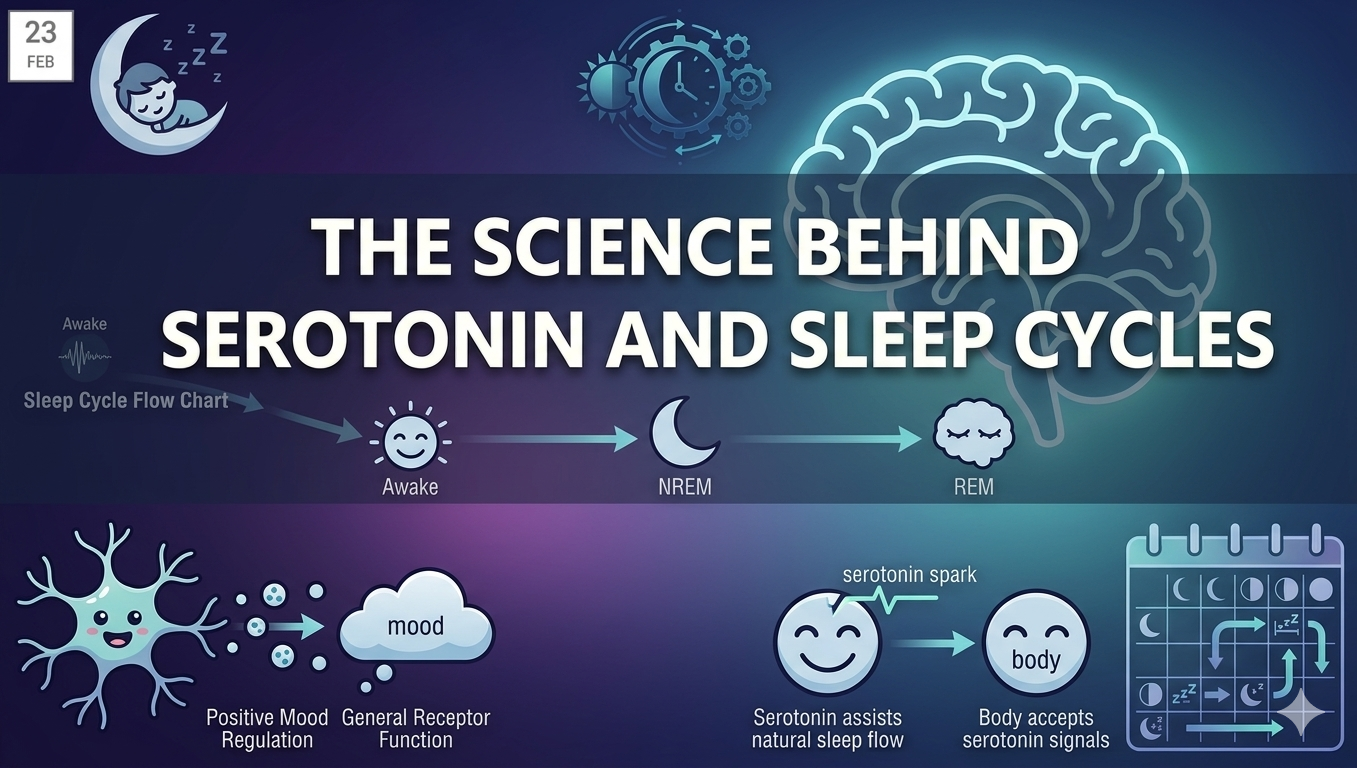
Sleep is one of the most essential yet often overlooked pillars of health. While factors like stress, lifestyle, and screen time are commonly discussed, the role of brain chemistry, especially serotonin, is equally important. At Q Slim Fitness Studio, the focus extends beyond fitness to understanding how internal processes like hormones and neurotransmitters impact overall well-being. Understanding how is serotonin related to sleep can help explain why some people struggle with rest despite maintaining healthy routines.
Serotonin is a neurotransmitter that plays a key role in regulating mood, appetite, and sleep. It acts as a chemical messenger in the brain, influencing how your body transitions between wakefulness and rest. The balance of serotonin in your system directly affects the quality and consistency of your sleep cycle.
Understanding Serotonin and Its Role in the Body
Serotonin is primarily produced in the brain and the gut, and it helps regulate several vital functions. It is often associated with feelings of well-being and emotional stability, but its role extends far beyond mood.
One of its most important functions is its involvement in the sleep-wake cycle. Serotonin acts as a precursor to melatonin, the hormone responsible for inducing sleep. This means that your body relies on adequate serotonin levels to produce melatonin at the right time, allowing you to fall asleep naturally.
This biological pathway is key to understanding how is serotonin related to sleep, without sufficient serotonin, the entire sleep cycle can become disrupted.
How Is Serotonin Related to Sleep
To understand how is serotonin related to sleep, it is important to look at how the brain regulates circadian rhythms. Your circadian rhythm is your internal body clock, which determines when you feel awake and when you feel sleepy.
Serotonin helps regulate this rhythm by influencing alertness during the day and supporting melatonin production at night. During daylight hours, serotonin levels are higher, promoting wakefulness and mental clarity. As evening approaches, serotonin is converted into melatonin, signalling your body that it is time to sleep.
If this process is balanced, you experience a natural transition from wakefulness to sleep. However, if serotonin levels are low or disrupted, this transition may not occur smoothly, leading to difficulty falling asleep or staying asleep.
Does Low Serotonin Affect Sleep
A common question many people have is does low serotonin affect sleep, and the answer is yes, significantly. Low serotonin levels can interfere with the body’s ability to regulate sleep cycles effectively.
When serotonin is insufficient, melatonin production may also decrease. This can result in delayed sleep onset, lighter sleep, or frequent awakenings during the night. People with low serotonin often experience poor sleep quality, which can further impact mood, energy levels, and overall health.
Low serotonin is also linked to conditions such as anxiety and depression, both of which are closely associated with sleep disturbances. This creates a cycle where poor sleep further reduces serotonin levels, making it even harder to achieve restful sleep.
Does Sleep Increase Serotonin
Another important question is does sleep increase serotonin, and the relationship here is bidirectional. While serotonin helps regulate sleep, good quality sleep also supports healthy serotonin levels.
During restful sleep, the brain undergoes processes that help restore neurotransmitter balance, including serotonin. Adequate sleep allows the body to reset and maintain optimal brain function, which contributes to stable serotonin production.
In contrast, sleep deprivation can disrupt serotonin activity, leading to mood imbalances, fatigue, and reduced cognitive performance. This is why consistent, high-quality sleep is essential not just for physical recovery but also for maintaining healthy brain chemistry.
The Serotonin-Melatonin Connection
One of the most critical aspects of sleep regulation is the connection between serotonin and melatonin. Serotonin serves as the building block for melatonin, meaning that without enough serotonin, melatonin production can be compromised.
Exposure to natural light during the day helps boost serotonin levels, while darkness at night triggers its conversion into melatonin. This delicate balance ensures that your body follows a natural sleep-wake cycle aligned with environmental cues.
Disruptions to this cycle, such as irregular sleep patterns, lack of sunlight, or excessive screen time, can interfere with both serotonin and melatonin levels, ultimately affecting sleep quality.
Supporting Healthy Serotonin Levels for Better Sleep
Maintaining healthy serotonin levels involves a combination of lifestyle habits. Regular physical activity, exposure to natural sunlight, and a balanced diet rich in nutrients all contribute to optimal serotonin production.
At Q Slim Fitness Studio, this integrated approach to fitness and wellness emphasises not just workouts, but also sleep, recovery, and hormonal balance. Movement and exercise are known to boost serotonin levels, which is why staying active during the day can significantly improve sleep at night. Movement and exercise, in particular, are known to boost serotonin levels, which is why staying active during the day can improve sleep at night. Similarly, managing stress and maintaining a consistent sleep schedule can help regulate your body’s internal clock.
Understanding how is serotonin related to sleep, recognising does low serotonin affect sleep, and exploring does sleep increase serotonin highlight the importance of a balanced approach to health. Sleep and serotonin are deeply interconnected, and improving one often leads to improvements in the other.
By focusing on both lifestyle and internal health, it becomes possible to create a stable sleep cycle that supports overall well-being, energy levels, and long-term health.
