





Iron deficiency is one of the most widespread nutritional deficiencies in the world, affecting millions of women across all age groups. Despite increased awareness around nutrition, balanced diets, and supplementation, the numbers remain consistently high. For women, iron is far more than just another nutrient; it plays a central role in energy levels, metabolism, cognitive function, hormonal balance, and overall vitality. Understanding how common iron deficiency is in women, what the signs look like, and how to improve iron deficiency in women is essential for long-term health and well-being.
At Q Slim Fitness Studio, we work closely with women who often struggle with low energy, poor workout performance, and slow metabolism, only to discover that the underlying cause is low iron. This blog explores why this condition is common, how to recognise it early, and the lifestyle changes that can help restore healthy iron levels.
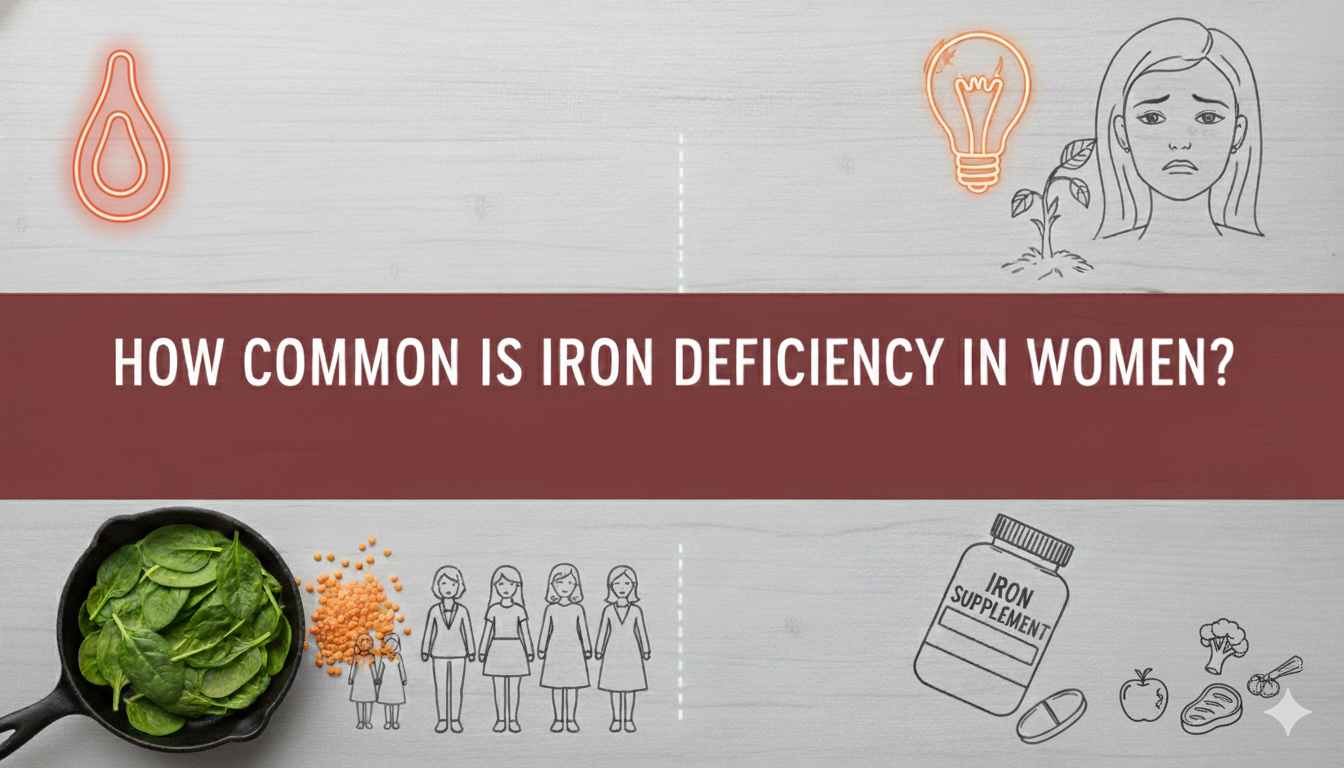
How Common Is Iron Deficiency in Women?
Iron deficiency affects women disproportionately compared to men due to several biological and lifestyle factors. Globally, research suggests that up to 35–40% of women experience iron deficiency at some point in their lives, with young women being the most affected age group.
During reproductive years, women lose iron through menstruation, often leading to chronic low levels, especially if periods are heavy or irregular. When combined with modern diets that may not provide adequate iron, the risk becomes even higher. Pregnancy increases iron needs significantly, putting expecting mothers in a high-risk category as well.
Women juggling fitness routines, calorie-restricted diets, or vegetarian lifestyles also face increased challenges in maintaining adequate iron intake. All these factors contribute to making iron deficiency one of the most commonly overlooked conditions in female wellness.
Iron Deficiency in Young Women
Young women, particularly teenagers and women under 30, experience iron deficiency at especially high rates. This happens for several reasons:
- Menstruation begins in adolescence, increasing monthly iron losses.
- Dieting trends among young women often reduce iron-rich food intake.
- High academic and physical stress increases nutrient demands.
- Insufficient intake of protein and iron-rich foods, especially in vegetarian or vegan diets.
- Rapid growth during teenage years increases the body’s iron requirements.
In fitness-driven women, strenuous exercise increases the breakdown of red blood cells, further worsening iron loss. As a result, young women who train intensely may unknowingly place themselves at risk for chronic iron deficiency.
Why Iron Is Important for Females
Iron plays a crucial role in the human body regardless of gender, but for females, its importance is amplified.
- Oxygen Transport and Energy Levels: Iron is essential for forming haemoglobin, the molecule responsible for transporting oxygen throughout the body. Low iron means reduced oxygen delivery, leading to fatigue, breathlessness, and poor performance during workouts.
- Hormonal Balance: Iron supports the production of essential hormones and enzymes. Deficiency can influence menstrual cycles, fertility, and overall reproductive health. Hence, achieving hormonal balance is vital.
- Cognitive and Emotional Health: Low iron levels are linked with issues such as poor concentration, mood swings, anxiety, and even mild depression. This is because the brain relies heavily on adequate oxygenation.
- Skin, Hair, and Nail Health: Iron is essential for cell repair and regeneration. Many women with unexplained hair fall or brittle nails are unknowingly iron-deficient
. - Fitness and Muscle Strength: Iron deficiency lowers endurance, slows muscle recovery, and reduces the ability to perform strength training effectively. For women pursuing weight loss or muscle toning, this becomes a major obstacle.
Given these critical roles, iron becomes one of the most essential nutrients for female health.
Signs of Iron Deficiency in Women
Iron deficiency often develops slowly, which is why many women fail to recognise it until symptoms become difficult to ignore. The signs of iron deficiency in women can be subtle at first but gradually worsen over time.
Common indicators include:
- Persistent fatigue even after adequate rest
- Pale skin or dull complexion
- Shortness of breath during simple activities
- Rapid heartbeat or palpitations
- Cold hands and feet
- Frequent headaches
- Hair loss or thinning
- Brittle nails
- Low mood or irritability
- Poor concentration and memory
- Cravings for non-food substances like ice (a condition known as pica)
Even one or two of these signs could indicate a developing deficiency. Women who work out regularly may misinterpret these symptoms as general tiredness, which is why awareness is so important.
What Are the Symptoms of Iron Deficiency in Women?
In more advanced cases, iron deficiency progresses to iron-deficiency anaemia. The symptoms become more pronounced and may include:
- Extreme exhaustion and weakness
- Dizziness
- Chest discomfort
- Noticeable drop in workout performance
- Irregular breathing patterns
- Light-headedness or fainting
At this stage, medical treatment and proper supplementation become essential. Early detection is key to preventing long-term complications.
Why Women Often Miss the Signs
Many women assume feeling tired is “normal” due to work, family responsibilities, workouts, or stress. Fatigue becomes so routine that the deeper cause is overlooked. Additionally, modern dietary habits, high in processed foods and low in nutrient density, contribute to deficiencies without obvious warning signs.
Hydration also plays a supportive role in managing symptoms. While water does not directly increase iron levels, a hydrated body benefits from overall improved circulation, digestion, and energy transfer, which helps the body absorb nutrients more efficiently. For women improving their iron levels, staying well-hydrated enhances overall wellness and supports recovery.
How to Improve Iron Deficiency in Women
Improving iron levels requires a balanced approach that includes dietary adjustments, lifestyle modifications, and, in some cases, supplementation. Here’s how women can start restoring their levels naturally:
1. Increase Iron-Rich Foods
Women should include both heme (animal-based) and non-heme (plant-based) iron sources, such as:
- Lean meats, chicken, and fish
- Eggs
- Spinach and leafy greens
- Beans and lentils
- Chickpeas
- Pumpkin seeds
- Tofu
- Nuts
- Fortified cereals
Heme iron is absorbed more efficiently, but vegetarians can still meet their needs through careful combinations of foods.
2. Pair Iron with Vitamin C
Vitamin C significantly improves iron absorption. Pairing iron-rich foods with sources like oranges, bell peppers, tomatoes, or lemons can enhance uptake.
3. Reduce Inhibitors of Iron Absorption
Certain substances reduce absorption when consumed with iron-rich foods:
- Tea and coffee
- Excessive dairy
- High-calcium supplements
- Some antacids
Spacing these away from iron-rich meals helps improve absorption.
4. Prioritise Hydration
While hydration does not directly raise iron, it supports better digestion, improved blood flow, and enhanced nutrient absorption, helping the body utilise the iron consumed more effectively. A well-hydrated system also supports healthy metabolism and reduces fatigue.
5. Strength Training and Exercise
Moderate strength training improves blood flow, muscle oxygenation, and overall metabolic efficiency. For women at Q Slim Fitness Studio, personalised workout plans help boost energy without causing excessive iron depletion.
6. Supplements (If Needed)
If the deficiency is moderate to severe, a healthcare professional may recommend iron supplements. These should always be taken under guidance, as incorrect dosage may cause digestive discomfort or overload.
7. Regular Testing
Women with heavy menstruation, vegetarians, athletes, and those experiencing persistent fatigue should get routine blood tests. Monitoring ferritin levels (stored iron) gives a clearer picture than haemoglobin alone.
Understanding and Addressing Iron Deficiency in Women
Iron deficiency is extremely common among women, especially young women, athletes, and those following restrictive diets. Knowing how common iron deficiency is in women, recognising the symptoms early, and making timely nutritional changes can dramatically improve energy levels, metabolism, fitness performance, and overall well-being.
Restoring iron levels is not just about adding supplements; it’s about building a balanced lifestyle that includes nutrient-dense foods, smart hydration, consistent exercise, and mindful health monitoring. When women fuel their bodies with the right nutrients, their strength, confidence, and vitality naturally improve.
