






Updated October 2026
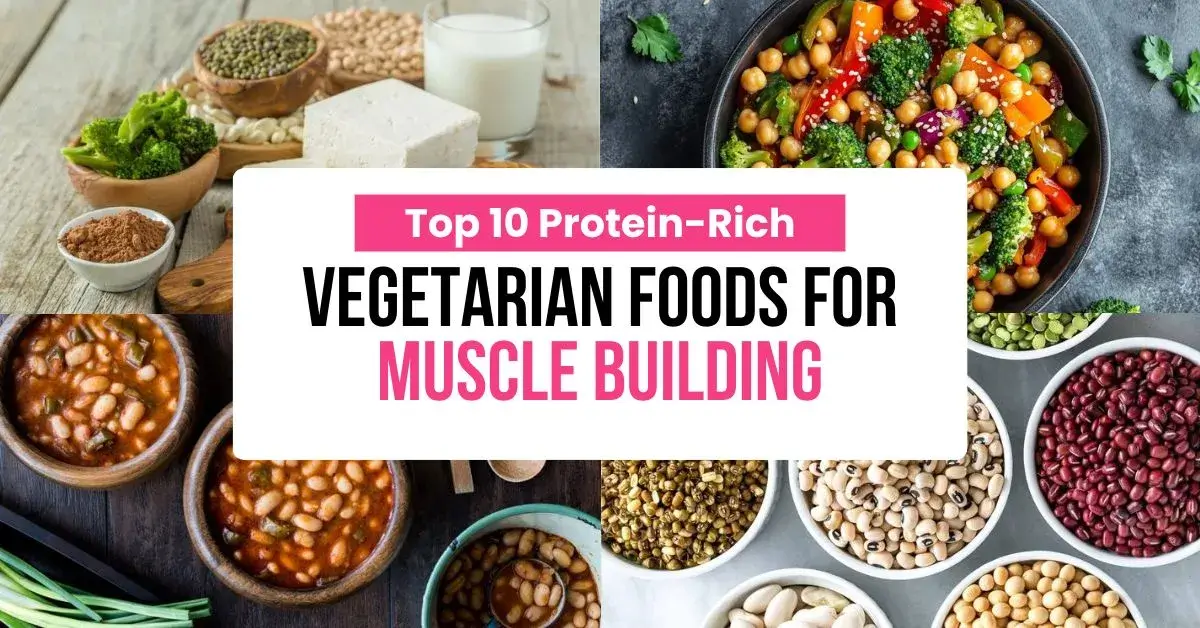
Quick answer The best protein rich vegetarian foods for muscle building include paneer, soya chunks, dal, chana, tofu, Greek yogurt, curd, sprouts, quinoa and nuts. You can build muscle on a vegetarian diet by eating enough total protein, spreading it across meals and combining different plant sources through the day.
Why protein matters for muscle building
Protein supplies the amino acids your body uses to repair and build muscle after strength training. Carbohydrates are still important because they fuel your workouts, but protein is the nutrient most people on vegetarian diets fall short on.
The ICMR-NIN Dietary Guidelines for Indians (2024) put the requirement for a healthy adult at roughly 0.8 to 1 gram of protein per kg of body weight daily. Sports nutrition guidance from the International Society of Sports Nutrition suggests 1.4 to 2.0 grams per kg for people who train regularly. Your own target depends on your health, kidney function and goals, so check with a qualified nutritionist.
Top 10 protein rich vegetarian foods
The protein figures below are approximate and vary by brand, recipe and portion.
| Food | Approximate protein | Why it helps |
|---|---|---|
| 1. Paneer | About 18 g per 100 g | Rich in casein, a slow digesting milk protein. Best grilled or as bhurji with minimal oil. |
| 2. Soya chunks | About 50 g per 100 g dry weight | One of the most protein dense vegetarian foods. Soak and cook before eating. |
| 3. Dal and lentils | About 7 to 9 g per 100 g cooked | Affordable, high in fibre and a daily staple. |
| 4. Chana and rajma | About 8 to 9 g per 100 g cooked | Protein with slow release carbohydrate. Good for post workout salads. |
| 5. Tofu and tempeh | About 8 to 15 g per 100 g | Soy based protein. Tempeh is fermented and firmer. |
| 6. Greek yogurt and curd | About 8 to 10 g per 100 g for Greek yogurt | Handy for snacks and recovery. Choose unsweetened versions. |
| 7. Moong and other sprouts | About 3 to 4 g per 100 g | Light, fibre rich and easy to add to salads. |
| 8. Quinoa | About 4 g per 100 g cooked | A complete protein with all nine essential amino acids. |
| 9. Nuts and seeds | Roughly 15 to 25 g per 100 g | Almonds, peanuts and pumpkin seeds add protein and healthy fats. Watch portions as they are calorie dense. |
| 10. Milk and eggs if you eat them | Milk about 3 g per 100 ml. Egg about 6 g each | Convenient and high quality protein for lacto vegetarians and ovo vegetarians. |
Spinach, millets and brown rice contain smaller amounts of protein. They are useful for fibre, minerals and energy but should not be your main protein sources.
Do you need to combine proteins
Most single plant foods are lower in one or more essential amino acids. Eating a variety of foods across the day, such as dal with rice or roti, or chana with curd, covers the gaps. You do not need to combine them in the same meal.
How to add protein to daily Indian meals
- Breakfast – moong dal chilla with curd, or quinoa upma with paneer bhurji
- Lunch – dal, a small portion of rice or roti, sabzi and a bowl of curd
- Snack – Greek yogurt with nuts, or roasted chana
- Dinner – grilled paneer or tofu with vegetables and chapati
Sample two day high protein vegetarian meal plan
| Meal | Day 1 | Day 2 |
|---|---|---|
| Breakfast | Oats with chia seeds and Greek yogurt | Moong dal dosa with coconut chutney |
| Lunch | Chickpea salad with brown rice | Tofu stir fry with millets |
| Snack | Almonds and pumpkin seeds | Smoothie with milk, banana and flaxseeds |
| Dinner | Grilled paneer with sauteed spinach | Quinoa bowl with mixed vegetables and dal |
Repeat similar patterns through the week and vary your protein sources. Portions should be adjusted to your body weight, activity level and health needs.
Common myths about vegetarian protein
Myth 1 – Vegetarian diets do not have enough protein
A well planned vegetarian diet can meet protein needs. It does take planning, because many Indian vegetarian meals are carbohydrate heavy.
Myth 2 – You need meat to build muscle
Muscle growth depends on total protein, calories and consistent strength training. Vegetarian foods like paneer, soya, dal and curd can all support it.
Myth 3 – Carbs are bad for muscle gain
Carbohydrates fuel training and support recovery. The aim is to balance them with enough protein, not to cut them.
For more nutrient dense choices, read our guide to the Top 10 Superfoods You Should Include in Your Diet. If your goal is fat loss, see our ideas for a post workout meal for weight loss.
Frequently asked questions
What are the best vegetarian protein sources for muscle gain?
Paneer, soya chunks, dal, chana, tofu, Greek yogurt and quinoa are among the best options.
Can I build muscle on a fully vegetarian diet?
Yes. With enough total protein, enough calories and regular strength training, vegetarians can build muscle.
How much protein do I need for muscle building?
Sports nutrition guidance suggests about 1.4 to 2.0 grams per kg of body weight daily for active people. Individual needs vary, so consult a qualified nutritionist.
Does protein timing matter?
Total daily protein matters more than exact timing. Spreading protein over three or four meals and having a protein rich meal after training is a practical approach.
Are soya chunks safe to eat daily?
Moderate amounts of soy foods are part of many healthy diets. If you have a thyroid condition or other health concern, ask your doctor how much is right for you.
This article is for general information and is not medical advice. If you have kidney disease, diabetes or any other health condition, speak to a doctor or registered dietitian before increasing your protein intake.
Want a customised high protein vegetarian plan? Nutritionist Pallavi Srivastava at Q Slim Fitness can help. Book your consultation now.

One thought on “Top 10 Protein-Rich Vegetarian Foods for Muscle Building”