






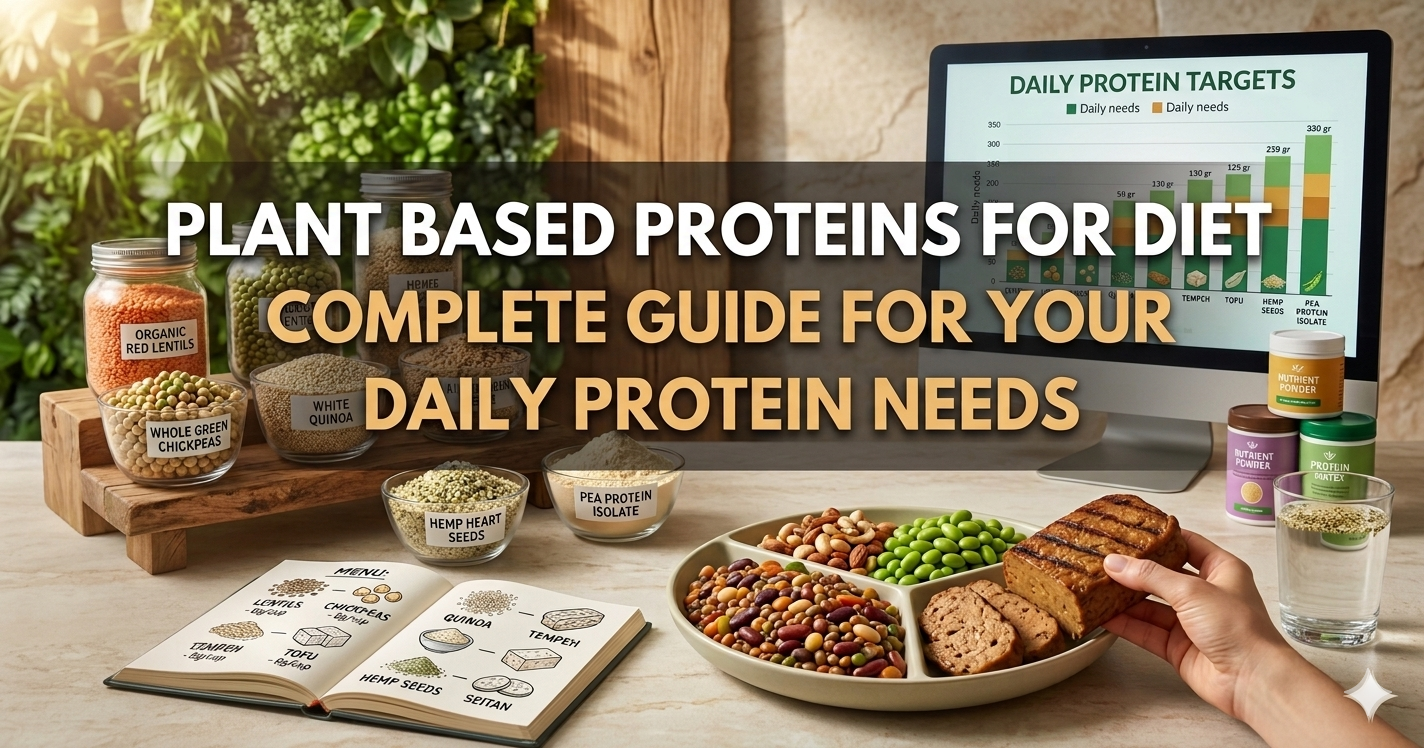
In recent years, more people are asking whether a plant based diet enough protein can truly support weight management, muscle health, hormonal balance, and overall wellness. At Q Slim Fitness Studio, we often meet clients who are curious about shifting toward cleaner eating patterns but worry about protein deficiency. The good news is that plant based proteins for diet planning can absolutely meet your daily protein needs when structured correctly.
Understanding how protein works in the body, which plant based diet high protein foods to include, and the actual plant based protein nutrition facts can help you make confident and informed decisions about your health.
Understanding Protein Requirements on a Plant Based Diet
Protein is essential for muscle repair, hormone production, immune function, and metabolic health. An average adult requires approximately 0.8 to 1 gram of protein per kilogram of body weight daily, though this can increase based on activity levels, medical conditions, or weight loss goals.
A common concern is whether a plant based diet enough protein to meet these needs. The answer is yes, provided that meals are diverse and well-balanced. Unlike many animal proteins, most plant sources are not complete proteins on their own. However, combining different plant foods across the day easily supplies all essential amino acids.
For example, grains and legumes complement each other well. When consumed in varied combinations throughout the day, they support adequate amino acid intake without requiring complex meal planning.
Plant Based Diet High Protein Foods
One of the keys to success is choosing the right plant based diet high protein foods. Lentils, chickpeas, kidney beans, black beans, and soy products such as tofu and tempeh are excellent protein sources. Quinoa, amaranth, and buckwheat provide both protein and complex carbohydrates. Nuts and seeds like almonds, chia seeds, pumpkin seeds, and flaxseeds also contribute meaningful protein while delivering healthy fats.
Soy-based products are particularly rich in protein and are considered complete proteins. Tofu and tempeh are especially beneficial for individuals who are transitioning from animal protein sources and want something structurally similar in meals.
Including these foods strategically across breakfast, lunch, and dinner ensures a steady intake of protein throughout the day and makes plant based proteins for diet planning practical and sustainable.
Plant Based Protein Nutrition Facts
Understanding plant based protein nutrition facts helps eliminate myths. While plant proteins may have slightly lower digestibility scores compared to animal proteins, they are accompanied by fiber, antioxidants, phytochemicals, vitamins, and minerals. This makes them nutritionally dense and beneficial beyond just protein content.
For example, lentils not only provide protein but are also rich in iron and folate. Chickpeas offer protein along with fibre that supports gut health. Soy products provide protein along with calcium and phytoestrogens, which may benefit hormonal balance in some individuals.
Another key advantage is that plant proteins typically contain lower levels of saturated fat compared to red and processed meats. This contributes positively to cardiovascular health and metabolic stability, reinforcing why many experts explain why is plant based protein better for long-term wellness.
Why Is Plant Based Protein Better?
Many people ask why is plant based protein better compared to animal sources. While both can be part of a balanced diet, plant protein often comes with added health advantages.
First, plant proteins support heart health due to lower saturated fat content. Second, they promote better digestion because of their fibre content. Third, plant based eating patterns are linked with improved weight management and better insulin sensitivity.
From an environmental standpoint, plant protein production generally has a lower carbon footprint, making it a sustainable long-term dietary choice.
At Q Slim, we emphasise not just weight loss but metabolic health and sustainable lifestyle habits. Incorporating plant based proteins for diet planning often supports long-term consistency because meals tend to be lighter, more fibre-rich, and satisfying without excess calories.
Is Plant Based Protein Good for Health?
Scientific evidence continues to support that is plant based protein good for health is not just a trend-based question but a valid nutritional discussion. Research consistently shows that plant-focused diets are associated with lower risks of cardiovascular disease, type 2 diabetes, obesity, and certain cancers.
A well-structured plant based diet supports stable blood sugar levels due to its fiber content. It may also improve gut microbiome diversity, which plays a critical role in immunity and mental health. When people question whether a plant based diet enough protein for muscle repair or recovery, structured planning ensures that protein needs are fully met.
However, balance remains important. Individuals following a strictly plant based diet should monitor vitamin B12, iron, zinc, omega-3 fatty acids, and sometimes protein distribution across meals. When properly guided, these nutrients can be maintained effectively.
The Shift Toward Plant Based Protein
The past decade has seen a remarkable shift toward plant based eating globally. Health awareness, environmental concerns, ethical considerations, and rising lifestyle diseases have all contributed to increased interest in plant based proteins for diet strategies.
Food innovation has also made the transition easier. Supermarkets now offer a wide variety of plant protein alternatives, from fortified plant milks to protein-enriched snacks and meat substitutes. Restaurants and wellness centres increasingly provide plant-based menus, reflecting consumer demand for plant based diet high protein foods.
In clinical nutrition practice, we are seeing more clients actively choosing plant protein for weight management, PCOS management, thyroid balance, and general metabolic health. This shift indicates that plant protein is no longer considered restrictive but rather progressive and sustainable.
Smart Protein Choices for Lasting Health
Building meals with plant based proteins for diet success requires intention. Ensuring a plant based diet enough protein intake means including a protein source at each meal and spreading intake evenly throughout the day. Understanding plant based protein nutrition facts empowers individuals to move beyond myths and make informed choices. As more people explore why is plant based protein better and ask is plant based protein good for health, the evidence continues to support its role in sustainable wellness. With the right structure, personalized guidance, and balanced food combinations, plant protein can form the foundation of a long-term health strategy.
