





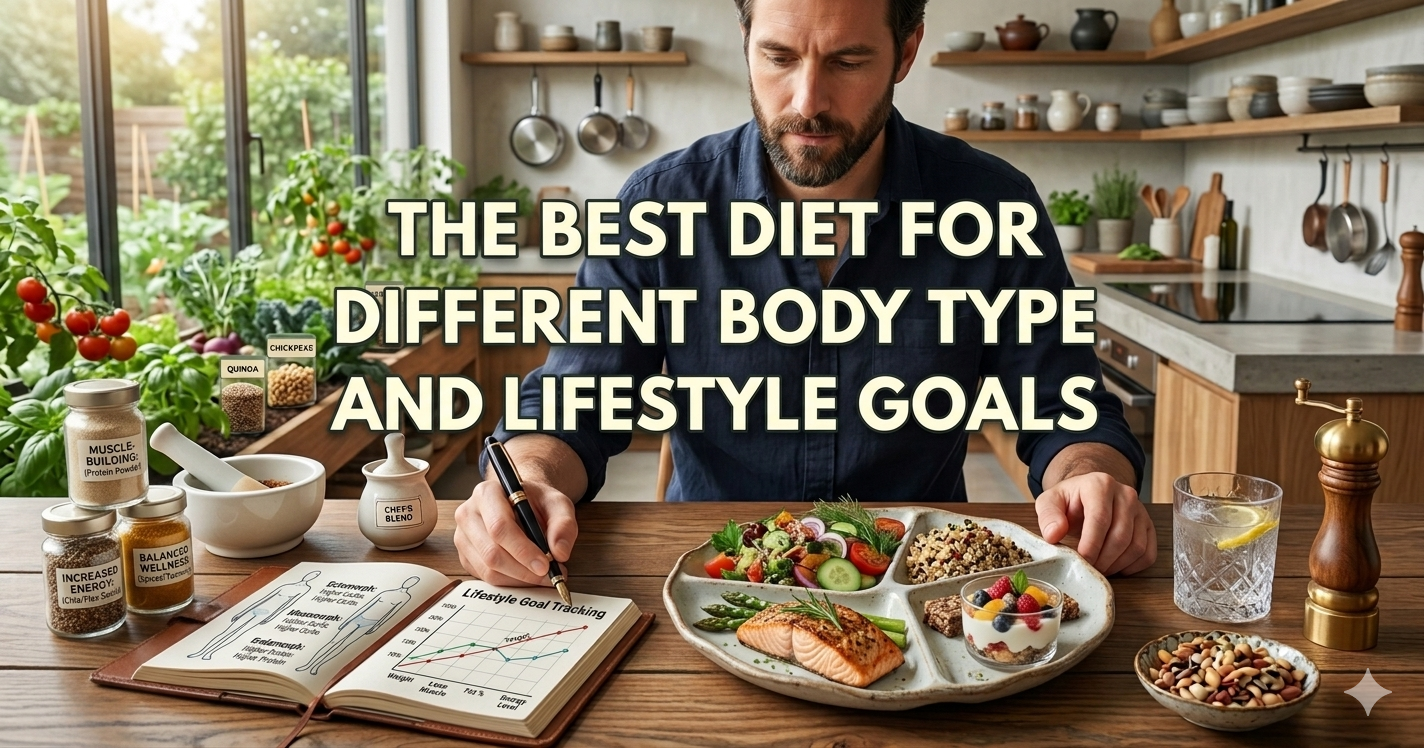
In today’s world of endless diet trends and nutrition advice, many people struggle to find an approach that truly works for them. One reason for this confusion is that not every diet suits every individual. Factors such as metabolism, body composition, daily activity levels, and lifestyle all influence how the body responds to food. Understanding the best diet for different body types can help individuals make better nutrition choices and achieve sustainable health goals.
At Q Slim Fitness Studio, the focus is on personalised nutrition and sustainable wellness rather than quick fixes. Diet plans are designed with the understanding that everybody is unique, and the most effective approach is to learn how to choose the right diet for your body type rather than blindly following popular diet trends. When nutrition aligns with your body’s needs and lifestyle, it becomes easier to maintain energy levels, support metabolism, and achieve long-term health benefits.
Understanding Body Types and Nutrition
Before deciding on a diet plan, it is helpful to understand the basic concept of body types. Although every individual is unique, nutrition experts often categorise body structures into three broad types: ectomorph, mesomorph, and endomorph. These categories help explain how different people store fat, build muscle, and respond to certain foods.
Ectomorphs tend to have a naturally lean frame with a fast metabolism. They often find it difficult to gain weight or muscle mass. Mesomorphs generally have a balanced body structure and respond well to exercise, making it easier for them to build muscle and maintain a healthy physique. Endomorphs usually have a slower metabolism and may gain weight more easily, particularly around the abdomen.
Recognising these differences is important when deciding how to eat according to your body type, because what works for one person may not necessarily work for another. A diet that is effective for someone with a fast metabolism may not deliver the same results for someone whose body stores energy more easily.
How Lifestyle Influences Your Diet
While body type plays an important role, lifestyle is equally significant in determining the diet for your body type. A person with a sedentary routine may require a different nutritional balance compared to someone who exercises regularly or has a physically demanding job.
Individuals who spend most of their day working at a desk often benefit from a diet that focuses on balanced portions, high-fibre foods, and controlled carbohydrate intake. This approach helps prevent energy crashes and supports steady metabolism throughout the day. On the other hand, people who exercise regularly or engage in strength training may require higher protein intake and sufficient carbohydrates to support muscle recovery and endurance.
Sleep patterns, stress levels, and daily routines also influence dietary needs. For example, individuals who experience high stress may need to focus on nutrient-dense foods that support hormonal balance and energy stability.
How to Choose the Right Diet for Your Body Type
One of the most important steps toward sustainable health is learning how to choose the right diet for your body type. Rather than following strict restrictions or extreme calorie cuts, a balanced and personalised approach tends to produce better results.
A good starting point is observing how your body responds to different foods. Some individuals feel energised after consuming whole grains and complex carbohydrates, while others may feel better with a slightly lower carbohydrate intake. Protein intake also plays a crucial role, as it supports muscle maintenance, metabolism, and satiety.
Portion control and meal timing can also make a significant difference. Eating balanced meals at regular intervals helps stabilise blood sugar levels and prevents excessive hunger, which often leads to overeating. Hydration, adequate fibre intake, and including a variety of fruits and vegetables further support overall health and digestion.
A professional nutritionist or dietitian can help evaluate these factors and design a diet plan that suits both the individual’s body type and daily routine.
The Importance of Personalised Nutrition
When it comes to identifying the best diet for different body types, personalisation is the key. A diet plan should not only focus on weight management but also support long-term health, energy levels, and lifestyle habits.
At Q Slim Fitness Studio, dietitians emphasise sustainable eating patterns rather than temporary dieting. The goal is to create nutrition plans that fit naturally into a person’s lifestyle, making them easier to maintain in the long run. This approach often includes balanced meals, mindful eating practices, and gradual adjustments that improve metabolism without causing unnecessary stress on the body.
From a dietitian’s perspective, sustainable nutrition is about building healthy habits rather than eliminating entire food groups. When individuals learn how to eat according to your body type, they become more aware of their nutritional needs and are better equipped to make informed food choices.
Balancing Nutrition With Long-Term Health Goals
A successful diet should always consider long-term health goals rather than short-term results. While rapid weight loss programs may promise quick transformations, they often fail to address underlying lifestyle patterns and metabolic needs.
A well-structured diet for your body type supports gradual and consistent progress. It focuses on nutrient-rich foods, balanced macronutrients, and mindful eating habits. Over time, these practices improve metabolism, support healthy body composition, and enhance overall well-being.
Another important aspect is flexibility. Diet plans should allow room for occasional indulgences and social meals, ensuring that healthy eating remains enjoyable rather than restrictive. When nutrition becomes a natural part of daily life, individuals are more likely to maintain their results and continue prioritising their health.
Making Your Diet Work for Your Body
Understanding the best diet for different body types can help individuals make smarter and more sustainable nutrition choices. By recognising how metabolism, body composition, and lifestyle influence dietary needs, it becomes easier to design a nutrition plan that truly works.
Learning how to choose the right diet for your body type is not about following rigid rules or trends. Instead, it is about developing awareness of your body’s needs and building habits that support long-term health. With the right guidance and a personalised approach, it becomes possible to discover how to eat according to your body type in a way that enhances both physical health and overall lifestyle.
