






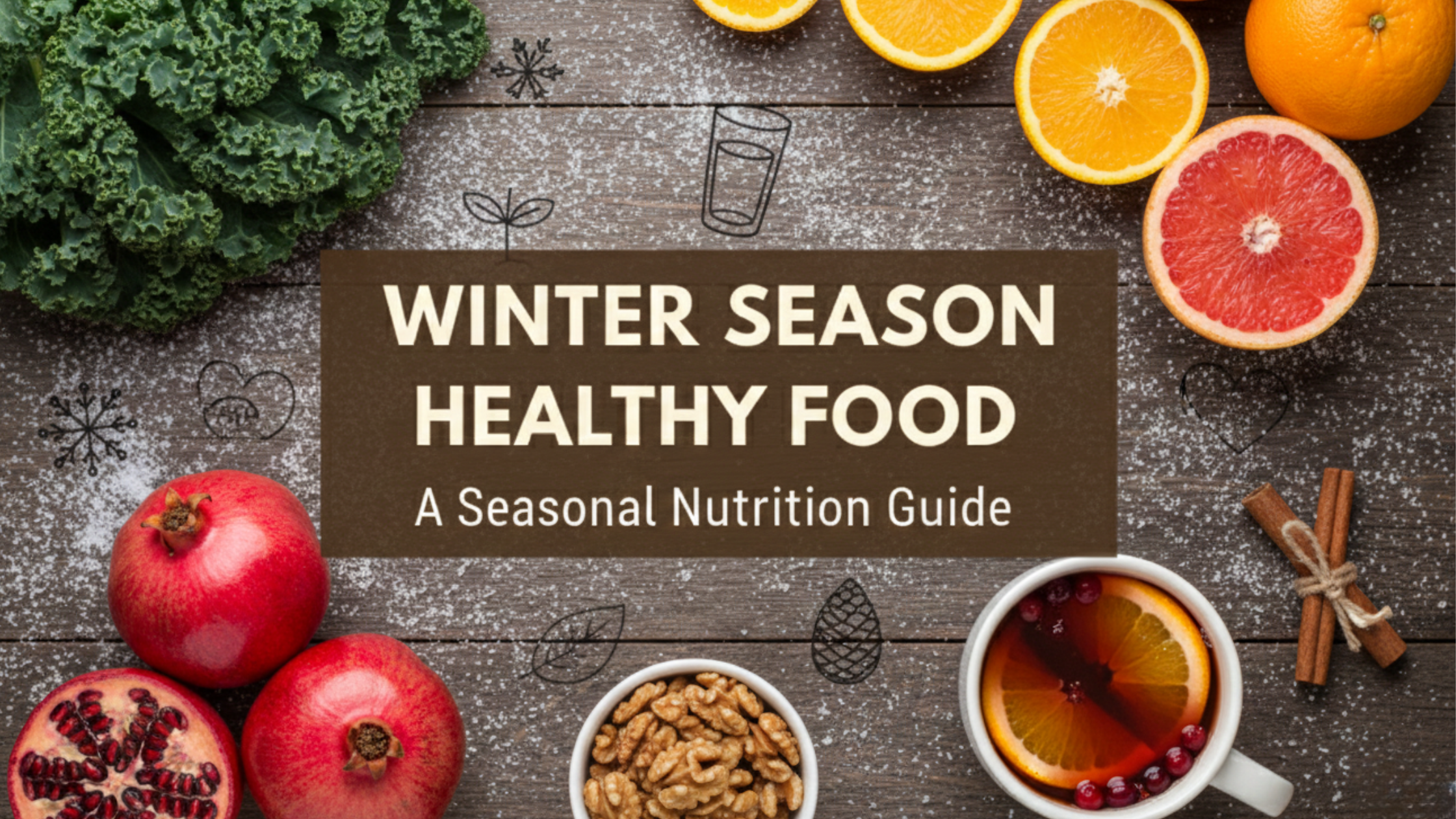
As temperatures drop, the body’s nutritional needs subtly shift. Appetite often increases, digestion may slow, and immunity becomes a greater priority. Winter is not a season to restrict food but to eat with awareness, warmth, and balance. Understanding winter season healthy food choices from a nutritional perspective helps support energy levels, gut health, and immunity while preventing the lethargy and weight fluctuations commonly associated with colder months.
At Q Slim Fitness Studio, seasonal eating is viewed as a practical and science-backed approach to nutrition, where food choices align with the body’s changing physiological needs rather than rigid dietary rules.
Why Nutrition Needs Change During Winter
Cold weather influences metabolism, digestion, and even hormone regulation. The body expends more energy maintaining core temperature, while reduced sunlight exposure can affect vitamin D levels and mood. Digestion, according to both modern nutrition science and traditional dietary systems, tends to slow slightly during winter, making food quality and preparation especially important.
This is why healthy food in winters often emphasises warm, cooked, nutrient-dense meals that are easier to digest and more satiating. Raw, cold, or heavily processed foods may feel less satisfying and can contribute to bloating or fatigue during this season.
Winter nutrition is less about eating less and more about eating appropriately.
Healthy Food to Eat in Winter Season for Immunity and Energy
When considering healthy food to eat in winter season, the focus naturally shifts toward ingredients that support immune function and sustained energy. Seasonal vegetables such as carrots, sweet potatoes, beets, spinach, and cauliflower provide antioxidants, fibre, and essential micronutrients that help combat inflammation and oxidative stress.
Protein intake also becomes especially important in winter. Adequate protein supports muscle maintenance, immune response, and satiety, reducing the tendency to snack excessively on refined comfort foods. Lentils, legumes, dairy, eggs, and lean meats fit well into winter meals because they pair easily with warming spices and slow-cooked preparations.
Healthy fats from nuts, seeds, ghee, and cold-pressed oils help maintain energy levels and support hormone balance, which can otherwise be disrupted by seasonal stress and reduced physical activity.
What to Eat in Winter for Good Health – A Digestive Perspective
The question what to eat in winter for good health is closely tied to digestive comfort. Warm foods stimulate digestive enzymes and improve nutrient absorption, making them especially beneficial during colder months. Soups, stews, porridges, and lightly spiced curries are not just cultural staples but physiologically supportive meals.
Whole grains such as oats, millet, and rice provide slow-release carbohydrates that support steady energy. Paired with vegetables, protein, and fats, they form balanced meals that prevent blood sugar fluctuations.
Spices like ginger, turmeric, cumin, and black pepper are often included in winter diets for good reason. They support digestion, circulation, and immune defence, enhancing the body’s natural resilience during seasonal transitions.
Healthy Food in Winters and Weight Management
One of the biggest concerns during winter is unintended weight gain. Reduced outdoor activity combined with increased cravings for rich foods can make balance challenging. However, healthy food in winters does not mean avoiding comfort foods altogether. It means choosing versions that nourish rather than deplete the body.
Warm, fibre-rich meals increase satiety and reduce the urge for frequent snacking. When meals are properly balanced, appetite naturally regulates itself. This is why winter can actually be an excellent season for improving body composition when nutrition is approached mindfully.
At Q Slim Fitness Studio, winter nutrition plans often emphasise warmth, portion awareness, and consistency rather than aggressive calorie cutting, which can weaken immunity and disrupt metabolism.
Warm Healthy Winter Dinners That Support Recovery
Dinner plays a crucial role in winter health. Warm healthy winter dinners help the body wind down, support muscle recovery, and improve sleep quality. Evening meals that are warm, cooked, and moderately portioned are easier to digest and less likely to cause bloating or discomfort at night.
Vegetable-rich soups with protein, lentil-based stews, lightly spiced grain bowls, or cooked vegetables paired with protein sources create meals that feel comforting without being heavy. Avoiding excessive refined carbohydrates or sugary desserts late in the evening supports better blood sugar regulation and sleep patterns.
A nourishing winter dinner is not about eating less but about eating in a way that supports overnight repair and hormonal balance.
The Role of Seasonal Eating in Long-Term Health
Seasonal nutrition is not a trend but a practical framework rooted in both traditional dietary wisdom and modern research. Eating foods that naturally grow or are commonly consumed during winter often aligns with the body’s needs during this time.
Winter season healthy food choices tend to be richer in calories, minerals, and warming properties, helping the body adapt to cold stress. This approach supports immunity, mental clarity, and physical strength while reducing reliance on ultra-processed foods.
Rather than viewing winter as a setback for health goals, it can be reframed as an opportunity to build resilience and consistency.
Eating With the Season, Not Against It
Winter nutrition works best when it respects the body’s natural rhythms. Warm, cooked, balanced meals support digestion, immunity, and sustained energy, making the season more manageable and nourishing rather than draining. Understanding what to eat in winter for good health is ultimately about listening to physiological cues and choosing foods that provide warmth, stability, and nourishment. When approached thoughtfully, winter becomes a season of restoration rather than restriction.
